
Have you ever sat on a therapist’s couch, stared at a blank wall, and felt completely stuck? Wilderness Therapy offers a different path.You know you want to heal, but talking through your pain in a sterile, fluorescent-lit room just is not breaking through the barriers. For many people dealing with trauma, depression, or addiction, traditional talk therapy feels restrictive. When you feel trapped in your own mind, sitting in a small room often amplifies that exact feeling.
Sometimes, to truly rebuild your mental health, you have to completely change your environment. You need to step away from the noise, screens, and familiar triggers of daily life. This is exactly why wilderness therapy is so incredibly powerful. It takes the proven clinical practices of behavioral health and moves them out into the open air, proving that some of the deepest healing simply cannot happen inside a treatment room.
Wilderness Therapy: How Outdoor Treatment Heals and Transforms
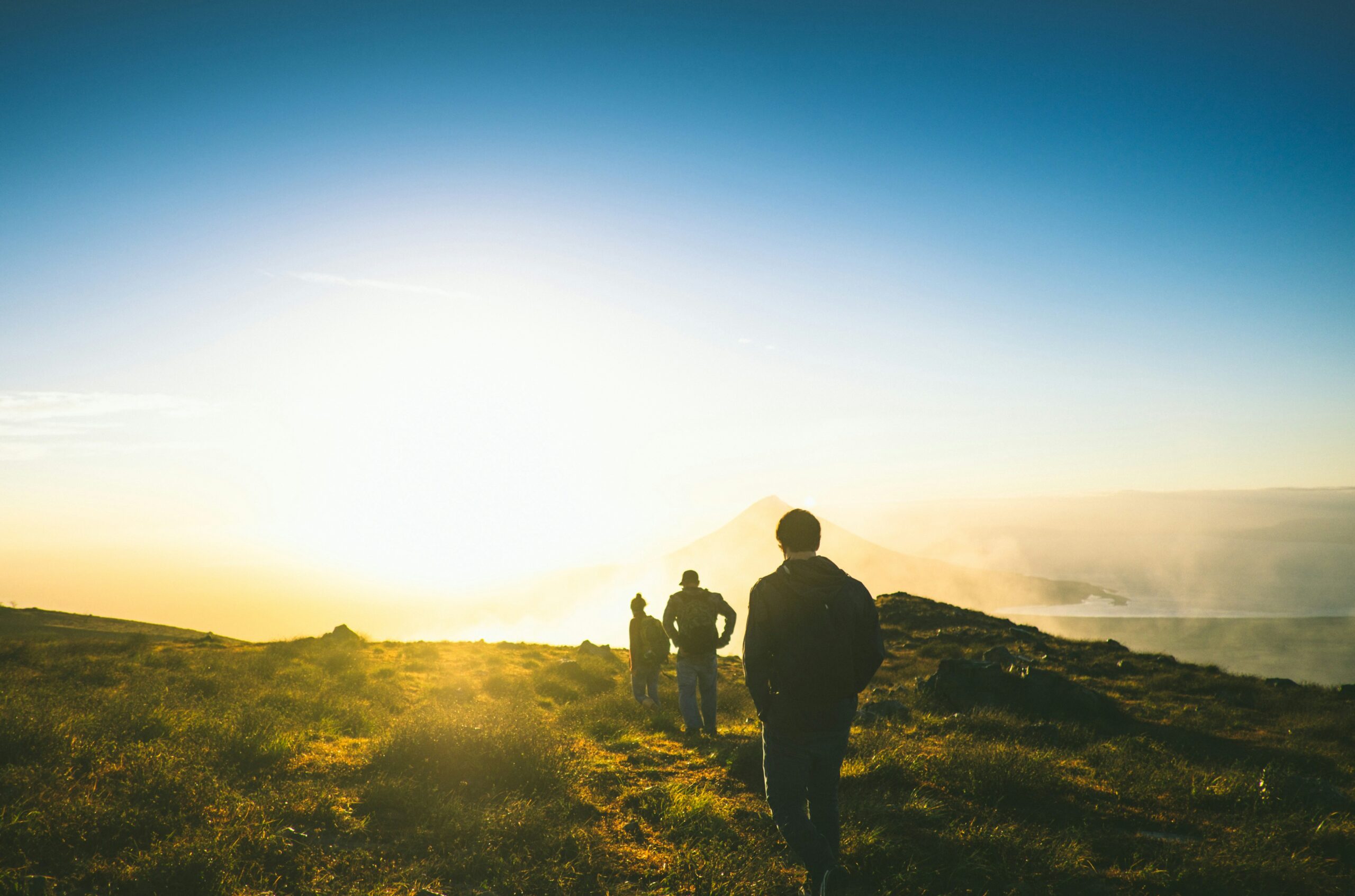
Wilderness therapy is an immersive, nature-based approach to mental health and addiction treatment. It combines traditional clinical therapy with outdoor expeditions and experiential learning. Instead of commuting to a clinic once a week, you spend your days hiking, camping, and learning survival skills alongside trained therapists and peers.
This approach removes the daily distractions that make it easy to avoid your emotions. You cannot scroll through social media or escape to your bedroom when a difficult feeling arises. Instead, you face challenges head-on in a supportive environment. The wilderness becomes a natural mirror for your internal struggles. When you learn how to build a fire, navigate a trail, or set up a camp in the rain, you are actually learning how to overcome frustration, communicate with others, and regulate your nervous system.
By taking therapy outside, you engage your entire body and mind in the healing process. If you want to explore how this outdoor approach fits into a comprehensive recovery plan, learning more about wilderness therapy can open the door to a completely new way of healing.
Why Healing Outside Traditional Treatment Rooms Matters
Nature has a profound, scientifically proven effect on the human nervous system. Studies show that spending time in natural environments lowers cortisol levels, reduces anxiety, and decreases resting heart rates. When your body feels safe and calm, your mind becomes far more receptive to therapy.
Furthermore, traditional treatment rooms allow people to hide behind well-rehearsed answers. You might know exactly what your therapist wants to hear, allowing you to intellectually understand your problems without actually feeling them. The wilderness disrupts this pattern. It forces you out of your comfort zone and demands absolute authenticity. You build genuine confidence by doing hard things, realizing that you are far more capable and resilient than your mental health struggles led you to believe.
Main Benefits of Outdoor Behavioral Healthcare
The benefits of outdoor therapy go far beyond fresh air. When you engage in this type of treatment, you build lifelong skills that translate directly back to your everyday life.
First, you develop natural emotional regulation. Nature is unpredictable. You cannot control the weather, the terrain, or the wildlife. You have to adapt. This teaches you how to manage stress and anxiety without resorting to negative coping mechanisms.
Second, you build deep, authentic connections. Working together with a group to navigate a trail or cook a meal creates a powerful sense of community. You learn how to trust others and ask for help, which is a critical skill for long-term recovery.
Key Information About Wilderness Therapy
If you are considering an outdoor program for yourself or a loved one, you probably have some practical concerns. Here are clear answers to the most common questions about this unique approach.
Is Wilderness Therapy Safe?
Yes, reputable programs are incredibly safe. They are run by licensed mental health professionals and highly trained wilderness guides. Participants undergo thorough medical evaluations before starting, and the staff is equipped to handle emergencies. Safety, both physical and emotional, is the absolute foundation of the experience.
Who Can Benefit Most from Wilderness Therapy Programs?
This approach is highly effective for young adults, teenagers, and adults struggling with substance abuse, deep-rooted trauma, anxiety, and depression. It is especially helpful for individuals who have tried traditional outpatient therapy but struggle to make lasting progress or find themselves constantly relapsing.
Typical Duration of Wilderness Therapy Programs
Most programs range from a few weeks to several months, depending on your specific clinical needs. The immersion takes time. Your body and mind need a few weeks just to detox from digital distractions and adjust to the rhythms of nature before the deepest clinical work truly begins.
Choose Your Own Path Forward in Nature
Stepping outside the traditional walls of therapy may feel unfamiliar, but sometimes that’s exactly what’s needed for real growth. Wilderness therapy does not promise an easy journey; it promises a journey rich in discovery, fresh perspective, and lasting change. If you’re curious about healing surrounded by open sky instead of four walls, remember: the first step can be as simple as stepping outdoors. Nature is waiting, and your story can unfold in ways you haven’t yet imagined.
You do not have to stay stuck in a cycle that is not working for you. If sitting in a clinic leaves you feeling unheard and uninspired, it is time to change your environment. Wilderness therapy offers a unique, challenging, and deeply rewarding path to recovery. It proves that when you reconnect with the natural world, you ultimately reconnect with yourself.
You deserve a treatment plan that engages your mind, body, and spirit. If you are ready to break down the walls of traditional therapy and discover what you are truly capable of, reach out to a behavioral health professional today. Ask how a wilderness-based program can help you build the resilience and clarity you need to reclaim your life.