

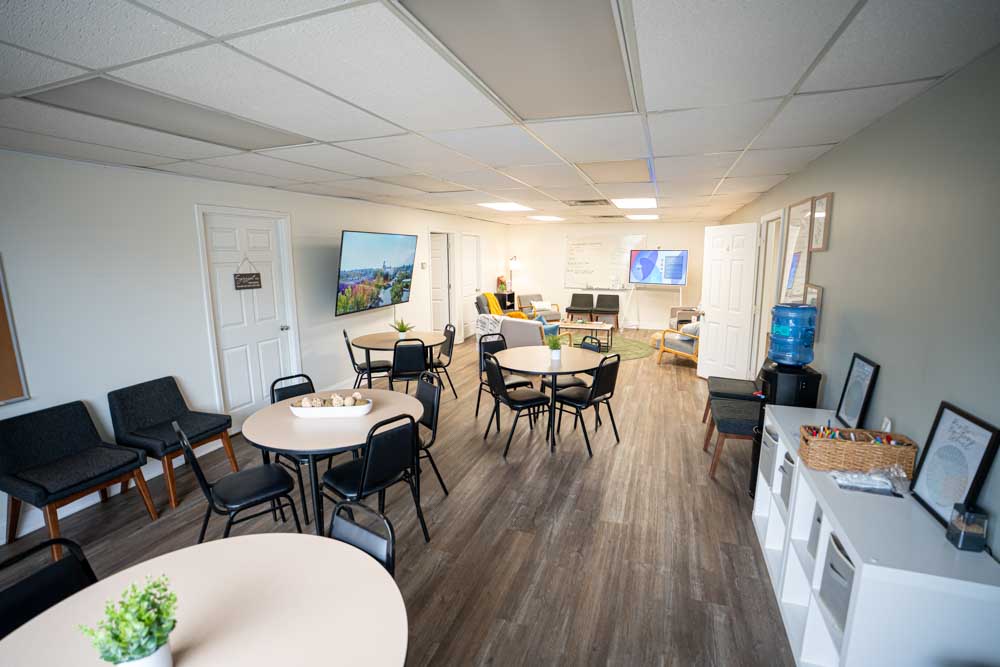
Partial hospitalization can be the bridge you need when finding the right path to recovery feels like navigating a maze without a map. You might know you need help, but the idea of stepping away from your life completely—leaving your job, your family, or your education—feels impossible. The pressure to keep up with daily responsibilities often competes with the urgent need for healing, leaving many people feeling stuck and overwhelmed. If this resonates with you, please know that you do not have to choose between your life and your recovery. A Partial Hospitalization Program (PHP) offers a balanced solution, providing intensive care while allowing you to remain connected to your everyday world.
What Is a Partial Hospitalization Program?
A Partial Hospitalization Program, often referred to as a PHP, is a structured mental health and addiction treatment program that operates during the day. It provides a high level of care similar to a residential or inpatient program, but does not require you to stay overnight at a facility. Instead, you attend treatment sessions for several hours a day, typically five days a week, and return home in the evenings.
This model is designed for individuals who require significant medical and therapeutic support but have a stable living environment to return to. It serves as a vital bridge between inpatient care and less intensive outpatient services. By offering rigorous clinical treatment during the day and the comfort of home at night, a Partial Hospitalization Program allows you to address substance use disorders deeply without completely pressing pause on your life.
How Does PHP Help Balance Care and Life?
The core strength of a Partial Hospitalization Program lies in its ability to integrate intensive healing with real-world living. It acknowledges that recovery does not happen in a vacuum; it happens alongside the pressures of paying bills, caring for loved ones, and managing a household.
Providing Structure Without Total Separation
One of the most challenging aspects of addiction is the chaos it brings to daily routines. A Partial Hospitalization Program restores order by providing a structured schedule. Your days are filled with purpose, group therapy, individual counseling, and skill-building workshops, which help re-establish a healthy rhythm. However, unlike residential care, this structure does not isolate you. You remain present in your community. You can still see your children in the evening, sleep in your own bed, and maintain a connection to your support system. This balance reduces the anxiety of “re-entry” that often occurs after leaving an inpatient facility because you never truly left your life behind.
Real-Time Application of Recovery Skills
In a residential setting, you learn coping skills in a protected environment. In Partial Hospitalization Program, you have the unique opportunity to practice these skills in real-time. You might spend the morning learning conflict resolution or stress management techniques and then have the chance to apply them that very evening with a family member or partner. If things don’t go as planned, you can bring that experience back to your therapist the next day to troubleshoot and learn. This immediate feedback loop builds resilience and confidence, proving to yourself that you can handle everyday pressures without turning to substances.
Why Is Flexibility Crucial for Long-Term Success?
Recovery is a marathon, not a sprint. For it to be sustainable, it must fit into the reality of your life. A PHP offers the flexibility needed to make treatment a part of your routine rather than a disruption to it.
Reducing the Disruption of Daily Responsibilities
While a PHP is a significant time commitment, it is often more manageable than inpatient care for those with pressing responsibilities. It allows individuals to maintain a presence in their family life and, in some cases, keep up with certain work or educational commitments on a modified schedule. This flexibility lowers the barrier to entry for treatment, encouraging more people to get the help they need before a crisis hits. It reinforces the message that taking care of your health is a priority that supports, rather than detracts from, your other roles.
A Supportive Step-Down or Step-Up
PHPs are versatile. They can serve as a “step-down” for someone leaving a detox or residential center who isn’t quite ready for total independence. Conversely, they act as a “step-up” for someone in standard outpatient therapy who is struggling and needs more support to prevent relapse. This adaptability ensures that you receive the exact level of care you need at any given moment, preventing the burnout that comes from trying to manage too much on your own.
Finding Hope in Balance
You deserve a recovery that empowers you, not one that forces you to dismantle the life you have worked hard to build. Partial Hospitalization Programs offer a compassionate, evidence-based pathway to healing that honors your commitments and your need for intensive support. It is a way to reclaim your health while keeping your feet firmly planted in your life.
At Impact Outpatient Program, we understand the delicate balance of managing recovery alongside everyday pressures. Our team is dedicated to providing the structured, empathetic care you need to build a foundation for lasting wellness. You do not have to navigate this journey alone. Contact us today to learn more about our Partial Hospitalization Program and take the first step toward a balanced, hopeful future.