
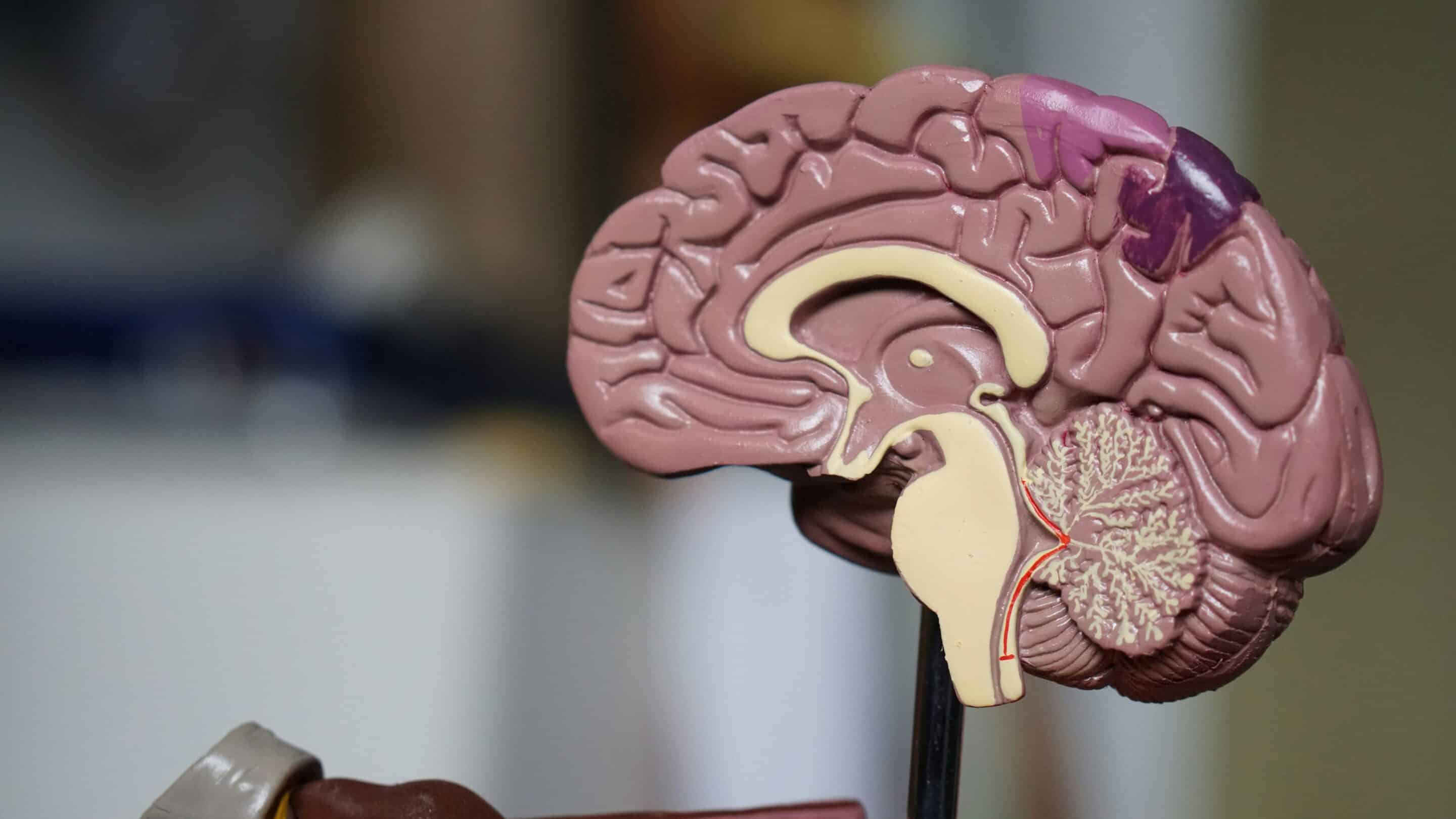
Post-Traumatic Stress Disorder (PTSD) doesn’t just affect emotions; it can significantly impact cognitive functioning as well. Difficulties with memory, focus, and problem-solving can often accompany the emotional toll of PTSD, making it harder for those affected to carry out daily tasks, maintain relationships, or perform at work.
If you or someone you care about has been navigating PTSD, understanding its cognitive effects is a vital step toward finding ways to improve and heal. This guide explores these effects and offers actionable strategies to regain cognitive clarity and resilience.
How PTSD Impacts Cognitive Function
PTSD stems from experiencing or witnessing a traumatic event, but its effects ripple far beyond the initial encounter. Here are some of the key ways PTSD can impair cognition:
Memory Challenges
Individuals with PTSD often report issues with memory, particularly short-term memory. This can manifest as an inability to recall recent conversations, tasks, or appointments. PTSD-related memory issues are linked to changes in the hippocampus, the part of the brain responsible for forming and retrieving memories.
Concentration Difficulties
Focusing on tasks can feel like an impossible challenge. Intrusive thoughts, hypervigilance, and heightened anxiety are common symptoms of PTSD and can constantly derail focus. Many find their productivity at work or school declining as a result.
Impaired Decision-Making
PTSD can disrupt the prefrontal cortex, the part of the brain responsible for reasoning and decision-making. This can lead to impulsivity, difficulty weighing options, or challenges in solving problems effectively, further increasing frustration and stress.
Increased Mental Fatigue
The cognitive strain caused by PTSD can lead to mental exhaustion. Constantly battling symptoms like flashbacks or hyperarousal takes up much of the mental energy needed for everyday tasks.
Strategies to Improve Cognitive Function Amid PTSD
While the cognitive effects of PTSD can feel overwhelming, several evidence-based strategies and tools can help with recovery.
Practice Mindfulness-Based Techniques
Mindfulness practices such as meditation or deep breathing can help calm the mind and reduce the cognitive impacts of stress. These techniques encourage individuals to refocus on the present moment, which can improve concentration and reduce intrusive thoughts over time.
Cognitive Behavioral Therapy (CBT)
CBT is a widely-used therapeutic approach that can specifically target distorted thinking patterns related to PTSD. By working with a trained therapist, individuals can challenge negative thoughts, reshape how they process memories, and strengthen decision-making skills.
Incorporate Physical Exercise
Studies show that regular physical activity can promote neurogenesis (the growth of new brain cells) in the hippocampus, which may counteract some of the memory challenges caused by PTSD. Activities like walking, yoga, or swimming can also release endorphins, supporting both mental health and cognitive function.
Focus on Sleep Hygiene
Poor sleep exacerbates cognitive problems. Improving sleep hygiene through consistent bedtime routines, limiting screen time before bed, and creating a calming sleep environment can help restore mental clarity.
Reach Out for Professional Help
Recovery from PTSD requires support. Programs that specialize in trauma recovery offer tailored tools and interventions to improve cognitive and emotional functioning.
Take Steps Toward Clarity and Recovery
The cognitive effects of PTSD are challenging, but they are not insurmountable. With the right strategies and professional guidance, individuals can regain focus, memory, and decision-making skills.
If you or someone you know is ready to take the next step in reclaiming mental clarity, reach out to the Impact Outpatient Program. Their specialized support and resources can make a world of difference in navigating PTSD recovery.