
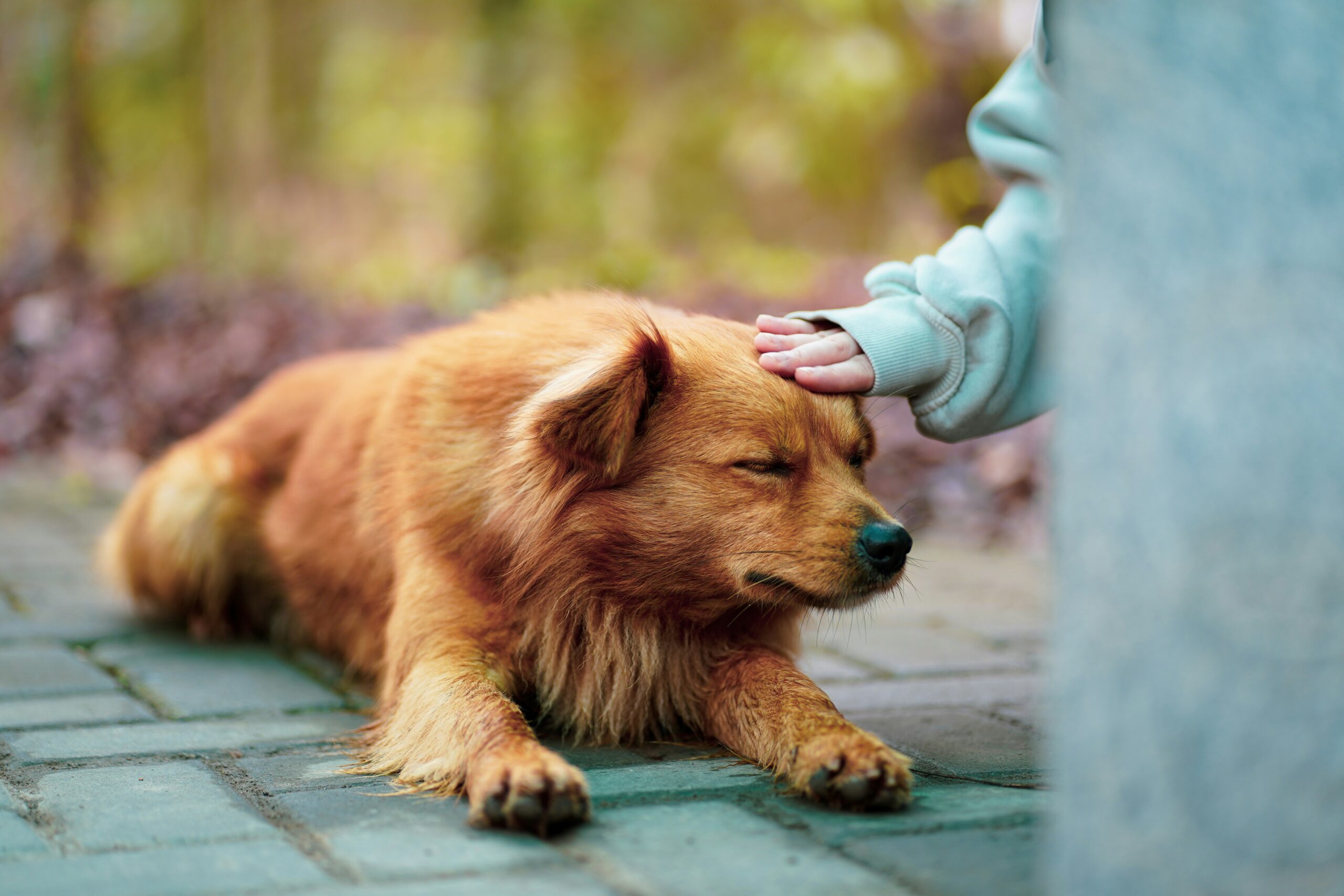
Recovering from alcohol addiction is a deeply personal and often challenging process. For many individuals, breaking through emotional barriers and building trust can be significant obstacles. This is where animal-assisted therapy (AAT) can play a powerful role. By introducing the presence of animals into the therapeutic setting, individuals struggling with alcohol dependency may find a unique path toward emotional safety and self-discovery.
This piece explores how animal-assisted therapy helps individuals in recovery build emotional trust and create a foundation for lasting change.
What is Animal Assisted Therapy
Animal-assisted therapy (AAT) integrates animals, such as dogs, cats, horses, or even small animals like guinea pigs, into a structured therapeutic process. These animals are not just comforting companions; they serve as facilitators for emotional growth, trust-building, and behavioral change under the guidance of a trained therapist.
The idea is simple but profound. Animals provide unconditional acceptance, a quality that can be healing for people who have experienced trauma, shame, or isolation due to their struggles with addiction.
How AAT Helps Build Emotional Safety
Many individuals recovering from alcohol addiction deal with feelings of guilt, fear, and isolation. These feelings can make it difficult to open up during traditional therapy sessions. Animals, however, create a nonjudgmental environment that fosters emotional safety.
- Unconditional Acceptance
Animals are inherently nonjudgmental and offer affection regardless of a person’s past mistakes. For clients in recovery, this unconditional acceptance can help build self-worth and a sense of being valued.
- Ease of Vulnerability
Building trust with an animal is often an easier first step for individuals who struggle to trust human relationships. The emotional connection with a therapy animal helps them practice being vulnerable in a safe environment.
- Stress Reduction
Research shows that interacting with animals can lower stress hormones like cortisol and increase feel-good hormones such as serotonin and oxytocin. Reduced stress levels can help clients feel comfortable exploring deeper emotional issues.
Building Trust Through Heartfelt Connections
For many, addiction damages not only their health, but also their relationships. The ability to trust others becomes a difficult, uphill climb. Animal-assisted therapy rebuilds this trust through simple, consistent interactions.
- Reliability and Routine
Animals thrive on routine, requiring consistent care and attention. Feeding, grooming, or simply spending time with an animal provides an opportunity for clients to live through dependable experiences, reinforcing trust through repetition.
- Mirroring Healthy Behavior
Animals can mirror emotions and actions, reacting to a person’s tone, gestures, or attitude. This helps individuals become more aware of their behavior and its impact, fostering empathy and self-regulation.
- Enhancing Social Interaction
Working with therapy animals often takes place in group settings or with therapists present. This encourages social interactions, helping clients feel more comfortable engaging with others and creating healthier patterns of communication and trust.
Reach Out to Impact Outpatient
Animal-assisted therapy is more than just a comforting presence; it is a powerful tool that helps individuals heal emotionally and build trust during alcohol recovery. By fostering a safe and nonjudgmental environment, therapy animals help individuals open up and connect, paving the way for meaningful progress.
If you’re looking to take that critical first step toward recovery, Impact Outpatient offers personalized support through a range of therapeutic programs, including animal-assisted therapy. Reach out to Impact Outpatient today to explore how we can help you or a loved one find a path to healing and growth.