
Animal-assisted recovery can help with one of the most painful parts of the journey: the profound sense of loneliness that often accompanies it. Addiction can create a deep chasm between you and the people you love, leaving you feeling isolated and misunderstood. Even as you take the courageous steps toward healing, you might find it difficult to reconnect or trust others again. The thought of opening up and making yourself vulnerable can feel daunting, and the silence that follows can be deafening.
If this feeling of isolation resonates with you, please know that you are not alone in feeling this way. Healing these emotional wounds is a gradual process, and sometimes the first step toward connection does not have to be with a person. Animal-assisted therapy offers a gentle and powerful way to combat loneliness, providing unconditional comfort and creating a safe bridge back to emotional connection.
What is Animal-Assisted Therapy?
Animal-assisted therapy is a structured, goal-oriented therapeutic intervention that incorporates specially trained animals, such as dogs or horses, into a client’s treatment plan. It is important to distinguish this from simply having a pet around. These sessions are always guided by a licensed mental health professional and are designed to achieve specific clinical goals, such as reducing anxiety, improving social skills, or fostering emotional expression.
The core principle behind this approach is the unique power of the human-animal bond. Animals offer a simple, non-judgmental presence. They do not care about your past mistakes or the struggles you face; they respond to your kindness and attention in the present moment. This unconditional acceptance creates a uniquely safe environment, making it easier for individuals to lower their emotional defenses and engage more deeply in the healing process.
How Does Interacting with Animals Combat Loneliness?
Loneliness in recovery is not just about being physically alone; it is about feeling emotionally disconnected. Animal-assisted therapy directly addresses this feeling by providing a reliable source of comfort and a tangible way to practice connection.
Offering Unconditional Acceptance and Comfort
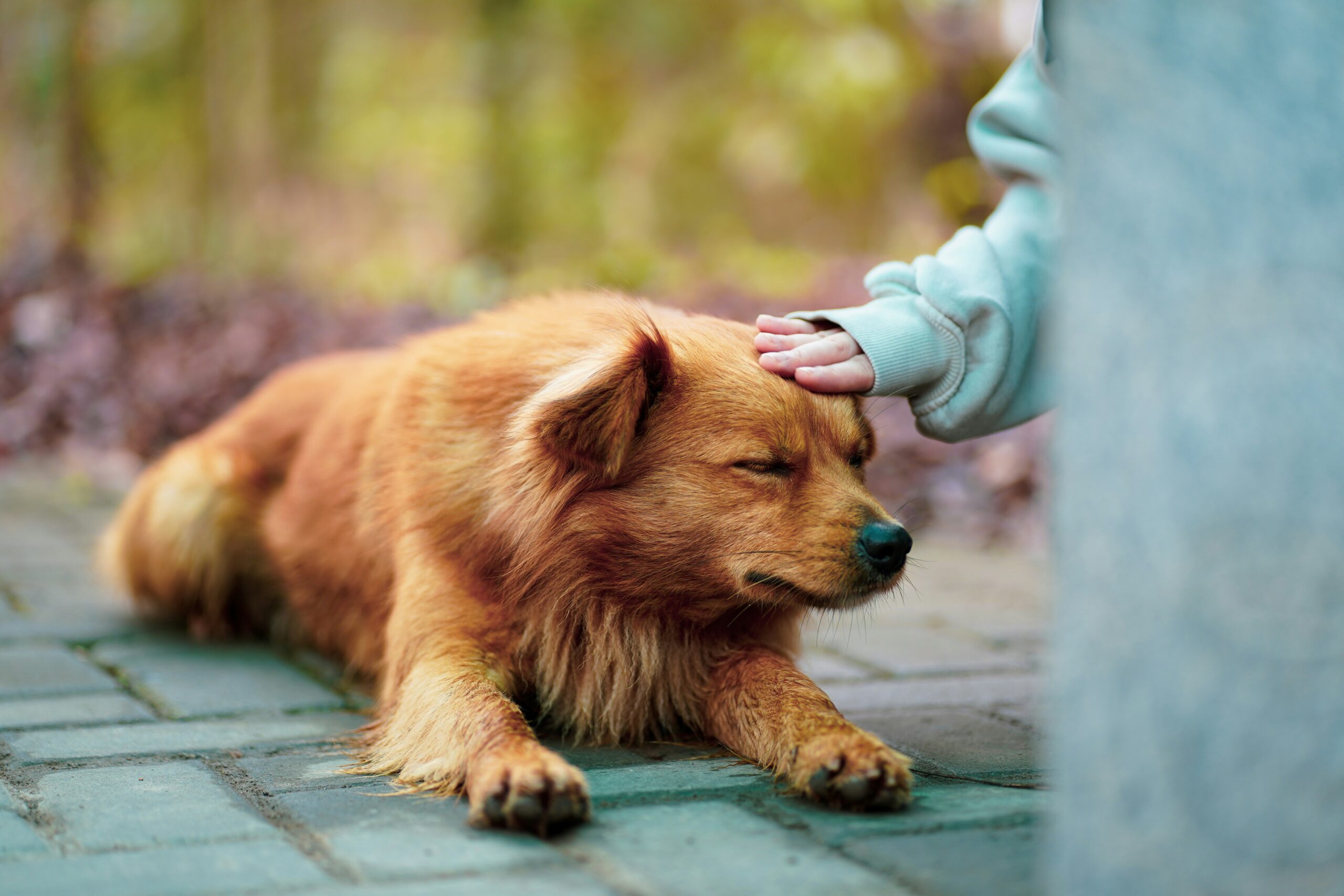
For someone who feels judged or misunderstood, the simple, quiet companionship of an animal can be incredibly powerful. A therapy dog that rests its head on your lap during a difficult conversation or a horse that responds calmly to a gentle touch offers a form of comfort that words cannot always provide. This non-verbal communication can break through walls of isolation, providing a sense of being seen and accepted just as you are. Research has shown that interacting with animals can increase levels of oxytocin, a hormone associated with bonding and social connection, which directly counteracts feelings of loneliness.
Creating a Bridge to Human Connection
For many people in recovery, trusting others again is a major hurdle. Building a relationship with an animal can be a safe first step. Learning to trust a being that offers nothing but affection and loyalty can help rebuild the confidence needed to form healthy human relationships. In a therapeutic setting, the animal often acts as a social lubricant, making it easier to open up to a therapist or a group. Sharing a positive experience with a therapy animal can create a common ground, sparking conversations and fostering a sense of camaraderie among peers.
What are the Therapeutic Benefits of This Approach?
Beyond just providing comfort, animal-assisted therapy offers a range of evidence-based benefits that support long-term recovery and emotional resilience.
Reducing Stress and Anxiety
The physical act of petting or grooming a pet has been scientifically proven to have a calming effect on the nervous system. It can lower blood pressure, reduce heart rate, and decrease levels of cortisol, the body’s primary stress hormone. This physiological response helps to alleviate the anxiety that often co-occurs with substance use disorders and loneliness, creating a state of mind that is more receptive to healing.
Fostering Empathy and Responsibility
Caring for another living being helps to shift a person’s focus outward. When you are responsible for feeding, grooming, or simply being gentle with an animal, you are practicing empathy and nurturing skills. This experience can be profoundly healing, as it rebuilds a sense of purpose and self-worth. It reminds you that you are capable of providing compassionate care, which in turn helps you learn to offer that same compassion to yourself.
Finding Comfort and Connection on Your Journey
You do not have to navigate the path of recovery feeling isolated. Loneliness is a heavy burden, but it is one that you do not have to carry by yourself. Animal-assisted therapy provides a gentle, supportive, and deeply effective way to rediscover connection, rebuild trust, and find comfort when you need it most. It is a reminder that even in your quietest moments, a warm, reassuring presence can make all the difference.
At Impact Outpatient Program, we believe in a holistic approach to healing that nurtures every aspect of your well-being. Our innovative treatment options, including animal-assisted therapy, are designed to help you build the emotional resilience and connection needed for a fulfilling life in recovery. You deserve to feel supported and understood. Contact us today to learn more about our compassionate programs and take the first step toward a more connected future.