
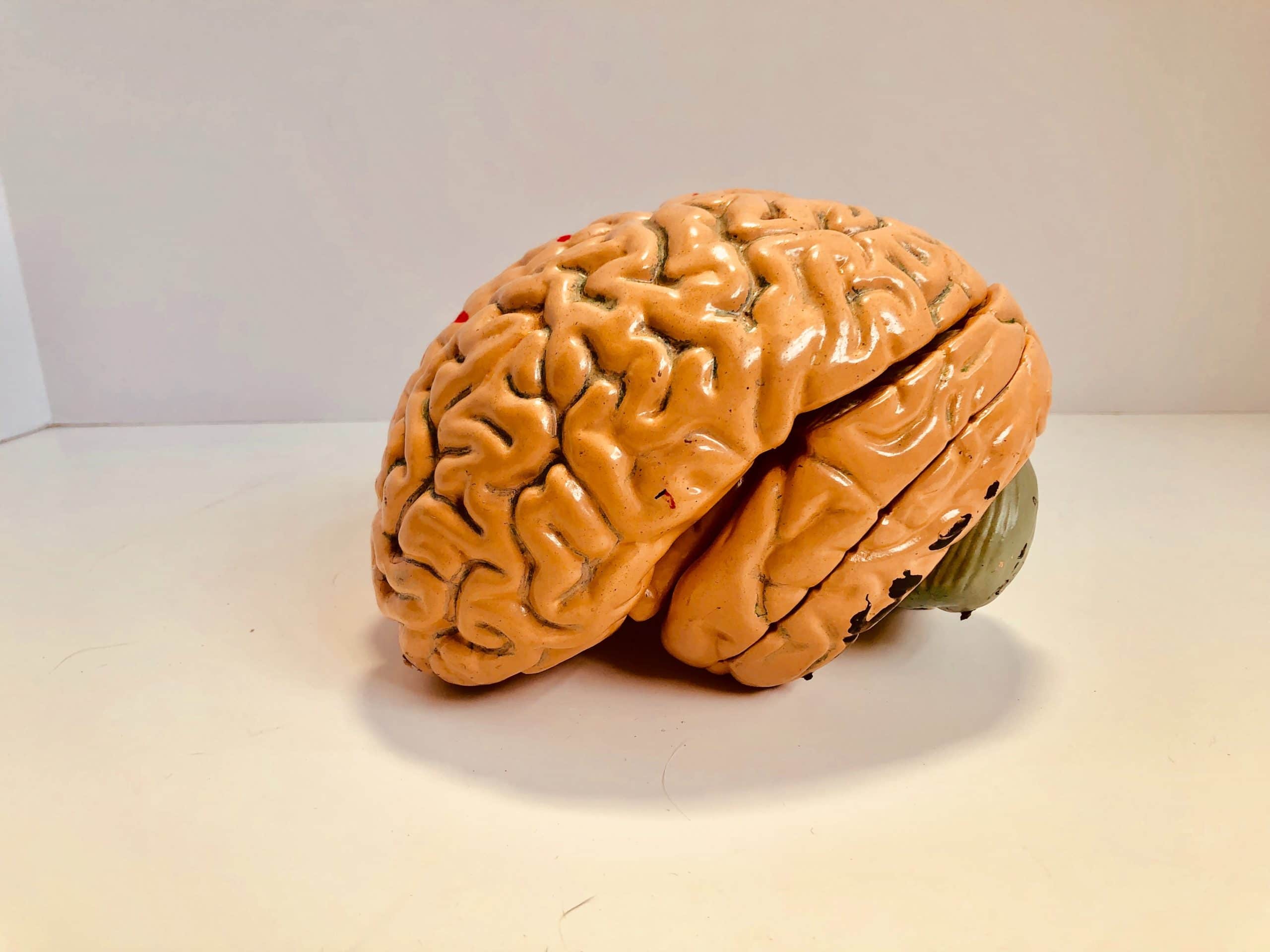
Anabolic steroids are drugs that increase the level of anabolic hormones in the body. Legitimate medical uses of these medicines include helping patients gain weight after illness or anemia. Unfortunately, many people misuse these drugs for things such as fitness and bodybuilding. And, in these situations, they may experience a host of adverse side effects. In this post, we look specifically at What Are Anabolic Steroids Effects On The Brain. When people take this class of drugs, they activate so-called “androgen receptors” – parts of the nervous system that react to the presence of male-associated hormones, such as testosterone.
For instance, anabolic steroids have been shown to interact with:
- GABA receptors which control mood and anxiety levels
- Brain regions associated with rewarding behavior
- Brain regions involved in mood
When you take steroids, it doesn’t produce a “high.” There are no direct psychoactive effects. Instead, it interacts with the limbic system, a part of the brain that controls mood.
Anabolic steroids can still cause a range of harmful effects throughout both the brain and body, so avoiding using them recreationally or for sport is essential.

What Are Anabolic Steroids Effects On The Brain?
Here are some of the ways that steroids affect your brain.
You May Feel Angry
Many patients who attend rehab clinics for anabolic steroid abuse have a higher propensity to experience sensations of overwhelming anger. Sometimes called “roid rage,” this state of mind occurs when drug misuse exposes the brain to too many androgens. Over time, these change the way the brain structures itself, increasing a person’s propensity for anger.
Studies show a link between testosterone levels and aggression. According to research, steroids exacerbate existing tendencies to get angry, meaning that people with preexisting anger issues are at a much higher risk.
You May Experience Mood Swings
Because steroids interact with GABA receptors in the brain, they can cause mood swings in some people. Users can feel on top of the world one minute and then be wracked by anxiety the next.
You May Feel Paranoia
There is also disturbing evidence from the NIH that anabolic steroid use can result in paranoia. Users may experience an eerie sensation that somebody is watching or following them. They may be more prone to checking over their shoulders that they’re not being followed by anyone, with symptoms lasting for days.
You May Become Delusional
Anabolic steroid use can cause some people to enter a delusional brain state where they feel invincible. This state of consciousness can then lead them to engage in risky activities that stand a high chance of leading to injury.
Does The Brain Get Addicted To Anabolic Steroids?
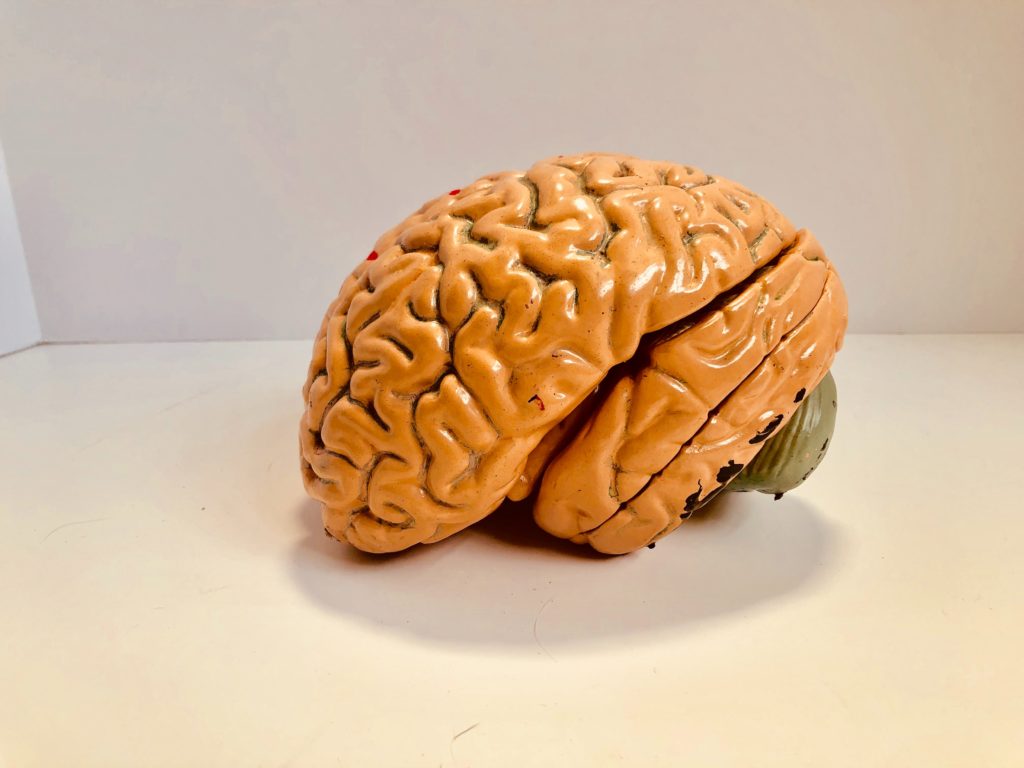
People don’t generally think of anabolic steroid use as being a reason to attend an addiction center because these drugs don’t produce a rewarding high, like cocaine or ecstasy. However, users can experience withdrawal symptoms when they stop using them. Because of this, they may find it difficult to break the habit, even if they want to.
Common withdrawal symptoms include an inability to sleep, feeling tired or restless all the time, a sense of depression, frequent mood swings, and a strong desire to keep taking steroids. Naturally, some of these side effects can be dangerous. Depression, for instance, can lead to suicide attempts. Likewise, continuing to take steroids may result in an enlarged heart, prone to sudden failure.
Synthetic androgenic drugs were first developed to provide the muscle-building potential of conventional testosterone, without the masculinizing side effects. These chemical modifications, however, mean that they directly interact with neurotransmitters in the brain linked to mood. Exposure to steroids during critical periods of life, such as adolescence, can lead to a host of undesirable effects and permanent changes in psychology.
In animal models, researchers have also found that the age at which people take steroids has an impact on their effects. If you give them to older animals, the lingering effects of steroid use on the brain appear to be smaller. However, if you supply them during development, then they are longer-lasting and potentially more harmful. Steroids, for instance, may put users at a higher risk of developing anxiety long-term, regardless of life circumstances.
What To Do If You Think You Or Someone You Know Needs Help
For the reasons described above, anabolic steroid addiction can be serious. Both short-term and prolonged abuse are associated with negative health outcomes.
If you or somebody you know is using these drugs, then approach a rehabilitation center. These can help patients stop using steroids in a safe, controlled environment.