
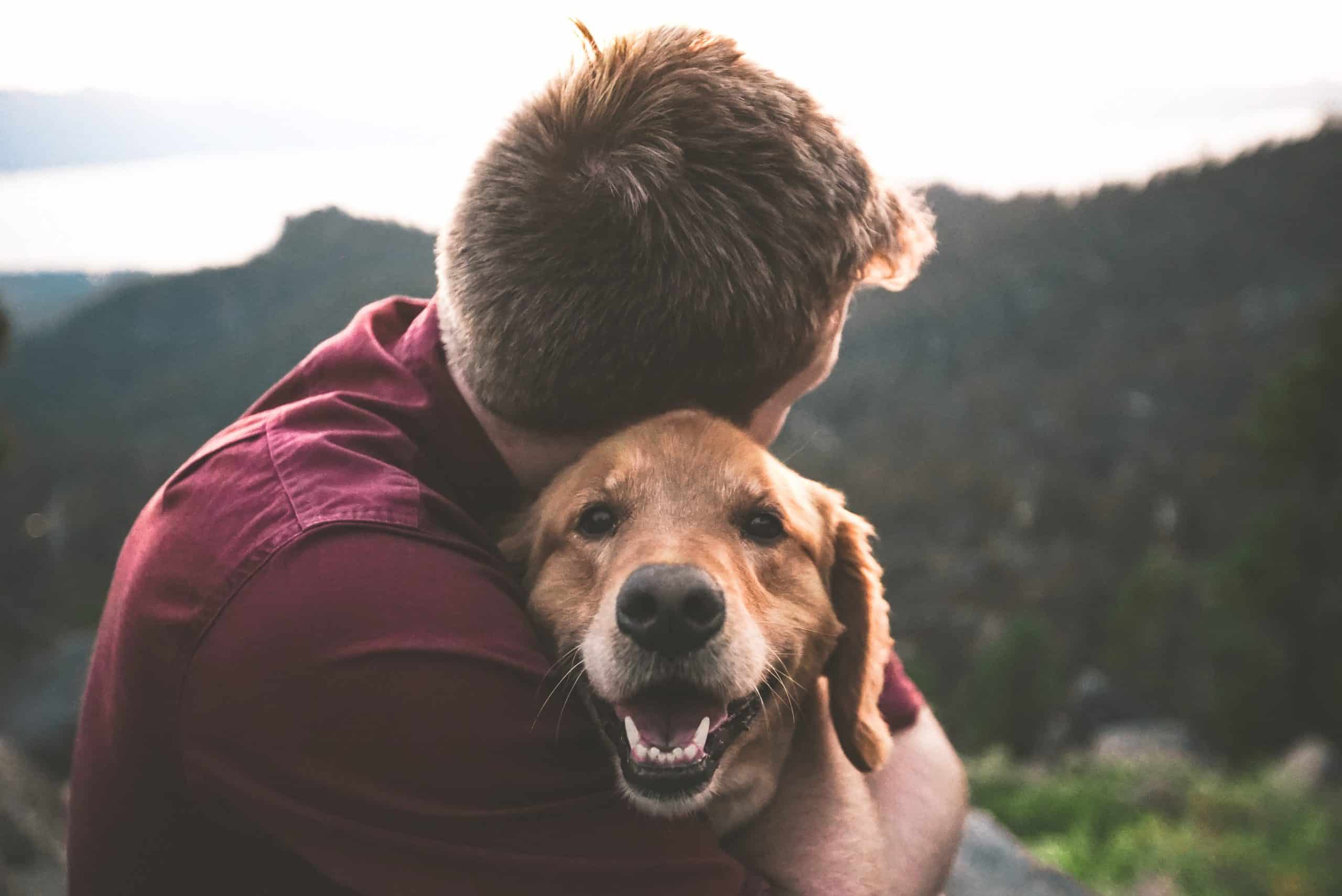
Starting recovery from addiction can feel overwhelming and uncertain. One of the greatest hurdles is often rebuilding trust—with others and, perhaps most importantly, with yourself. This journey requires patience, compassion, and a supportive approach that meets individuals where they are. Animal-Assisted Therapy is one such approach, incorporating the calming presence and unique connection offered by animals as partners in the healing process. Their nonjudgmental companionship helps individuals foster a sense of connection, comfort, and renewed confidence in the critical early stages of recovery.
If you or someone you care about is beginning the journey toward sobriety, Animal-Assisted Therapy may provide valuable support, offering a compassionate and effective path forward.
What is Animal-Assisted Therapy?
Animal-Assisted Therapy introduces specially trained animals into therapeutic settings to aid in the recovery process. Through the guidance of certified therapists and therapy animals, individuals engage in calming, supportive interactions—such as petting, playing gently, or simply sharing space in a judgment-free environment. These moments of connection help people feel more at ease, lowering emotional defenses and fostering trust and openness—qualities that are vital in the earliest stages of addiction recovery.
Beyond emotional comfort, being around therapy animals can stimulate the release of endorphins, which contribute to an improved overall mood. For individuals who often feel overwhelmed by stress or emotional pain, the presence of animals can offer a safe space to process feelings and begin their healing journey.
How Does Animal-Assisted Therapy Support Recovery?
Why is Animal-Assisted Therapy so effective in early addiction recovery? The answer lies in the unique way animals offer unconditional acceptance and emotional safety. Animals don’t judge or criticize—they simply provide a calm, reliable presence, which can be incredibly reassuring to someone navigating the challenges of sobriety. Here are some of the core benefits of Animal-Assisted Therapy:
- Reduces stress: Research shows that physical interactions with animals, such as petting or holding them, can significantly lower cortisol levels—helping to reduce anxiety and create a calming effect. This makes therapy sessions feel safer and less intimidating.
- Promotes trust: Animals are instinctively empathetic and provide consistent, gentle support. Their presence can help individuals rebuild trust in themselves and others, a key step in recovery.
- Improves communication: Working with animals encourages honest, gentle communication. This type of interaction can serve as a stepping stone to building healthier relationships in family, group, or individual therapy sessions.
- Supports emotional regulation: Animals have a natural ability to help people manage tough emotions or cravings by promoting patience, calmness, and mindfulness during therapy.
When combined with counseling, group therapy, or other evidence-based approaches, Animal-Assisted Therapy becomes a powerful tool for healing on multiple levels—emotional, mental, and even physical.
Who Can Benefit From Animal-Assisted Therapy?
Animal-Assisted Therapy is particularly beneficial for individuals who:
- Struggle with feelings of isolation or disconnection from others
- Experience anxiety, fear, or discomfort in traditional therapy settings
- Need support in rebuilding trust, self-worth, or emotional resilience
The flexibility of this therapy allows it to be tailored to each person’s unique needs. Whether someone needs help processing difficult emotions, managing stress, or simply feeling more at ease in a therapeutic space, Animal-Assisted Therapy offers comfort and connection during a deeply vulnerable time.
FAQ: Is Animal-Assisted Therapy Right for Everyone?
Can anyone participate in Animal-Assisted Therapy? While most individuals can benefit, this therapy may not be suitable for everyone. Those with severe allergies to animals, strong fears of animals, or specific medical conditions might require alternative options. Treatment professionals can assess whether this approach aligns with your recovery plan and suggest adjustments to ensure you receive the best care possible. Animal-Assisted Therapy is often used alongside other therapeutic methods, creating a holistic and adaptable approach to healing.
Why Choose Animal-Assisted Therapy in Early Recovery?
The early stages of recovery can feel daunting, but Animal-Assisted Therapy offers several key benefits to help individuals navigate this challenging time, including:
- Building trust, one small step at a time
- Receiving unconditional acceptance in a judgment-free space
- Feeling more comfortable and at ease in therapy settings
- Discovering healthy ways to cope with stress and cravings
The consistent, calming presence of therapy animals can make recovery feel less intimidating, providing individuals with a sense of stability and hope as they work toward a healthier future.
Take the First Step Toward Healing
Seeking help is an act of courage, and choosing the right support can make all the difference. Animal-Assisted Therapy offers a compassionate, effective way to begin the recovery journey, combining emotional support with therapeutic benefits that promote growth and healing. At the Impact Outpatient Program, our team is here to walk alongside you, offering the care, resources, and encouragement you deserve
You don’t have to face recovery alone. Take the first step toward healing today—brighter days are possible, and we’re here to help you reach them.