
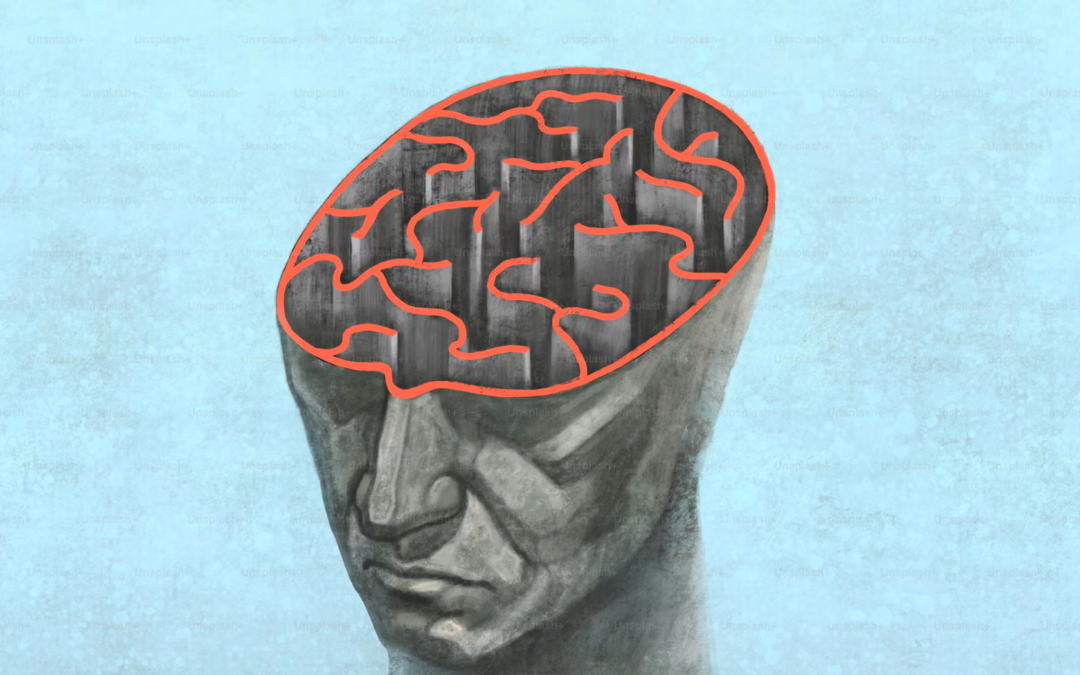
Managing schizophrenia and addiction at the same time can feel confusing, exhausting, and frightening for you or your loved one. Symptoms may overlap, treatment needs may feel complex, and it can be hard to know where to begin.
The good news is that recovery does not depend on handling two separate battles alone. With integrated care and the right dual diagnosis treatment, both mental health symptoms and substance use can be addressed together in a clear, compassionate, and structured way.
This is not about being “too complicated” for treatment. It is about receiving the kind of care that understands the full picture.
Why Schizophrenia and Addiction Need to Be Treated Together
Schizophrenia is a mental health condition that can affect thoughts, emotions, perception, and daily functioning. You or your loved one may experience hallucinations, unusual beliefs, disorganized thinking, low motivation, or difficulty connecting with others.
Addiction, or substance use disorder, can add another layer of stress. Substances may seem to offer temporary relief from fear, loneliness, confusion, or emotional pain, but they often make symptoms harder to manage over time.
When schizophrenia and addiction happen together, treating only one condition can leave the other unaddressed. This can create a cycle where symptoms increase, substance use returns, and stability feels harder to reach.
That is why integrated care matters. It brings mental health treatment and addiction support into the same plan, instead of asking you to move between separate systems that may not communicate well.
The Problem With Treating One Condition at a Time
In the past, many people with schizophrenia were told they needed to stop using substances before they could receive mental health care. Others were treated for mental health symptoms without enough attention to substance use.
Both approaches can leave you feeling unsupported.
If addiction treatment does not account for schizophrenia, therapy may miss key symptoms of schizophrenia that affect thinking, trust, motivation, or follow-through. If mental health treatment for schizophrenia does not address substance use, relapse risks and triggers may remain active.
This can lead to frustration for everyone involved. You may feel like you are “not trying hard enough,” when the real issue is that the care plan for your schizophrenia is not built for your needs.
A better approach asks different questions:
- What symptoms are making daily life harder right now?
- How does substance use affect mental health symptoms?
- What helps you feel safer, calmer, and more grounded?
- What support does your family or care team need?
- What level of structure will help you stay engaged in treatment?
These questions help create a plan that fits your real life.
How Integrated Care Supports Schizophrenia and Addiction Recovery
Integrated care means your treatment team looks at schizophrenia and addiction together. Instead of separating symptoms into different boxes, providers work to understand how each condition affects the other.
This approach can help reduce confusion, improve safety, and build a stronger recovery foundation. It also gives you more consistent support from people who understand dual diagnosis treatment.
Integrated care may include:
- Psychiatric support: A provider can assess symptoms, review medications, and help manage changes over time.
- Medication management: Medication may reduce hallucinations, paranoia, mood changes, or distressing thoughts when appropriate.
- Substance use counseling: Therapy can help you understand cravings, triggers, and healthier ways to cope.
- Individual therapy: One-on-one support gives you space to process stress, fear, shame, or relationship challenges.
- Group therapy: Peer support can reduce isolation and remind you that you are not alone.
- Family education: Loved ones can learn how to respond with calm, structure, and compassion.
- Relapse prevention planning: A clear plan can help you notice early warning signs and act before a crisis builds.
The goal is not perfection. The goal is steady progress, safer choices, and a better sense of control.
What Specialized Dual Diagnosis Treatment Can Look Like
Dual diagnosis treatment is designed for people managing both a mental health condition and substance use. For schizophrenia and addiction, this kind of care should be calm, structured, and flexible enough to meet changing needs.
Treatment often begins with a careful assessment. This helps the clinical team understand symptoms, substance use history, medications, medical needs, sleep patterns, stress levels, and support systems.
From there, your care plan may focus on practical goals. These may include staying sober, reducing distressing symptoms, improving sleep, rebuilding routines, and strengthening relationships.
Specialized treatment may also help you build skills such as:
- Recognizing early signs of symptom changes
- Managing cravings without turning to substances
- Building a daily routine that supports stability
- Communicating clearly with family or support people
- Reducing stress before it becomes overwhelming
- Taking medication consistently, if prescribed
- Knowing when to ask for extra help
These skills matter because recovery happens in daily life. Small choices, repeated over time, can create meaningful change.
Supporting a Loved One Without Taking Over
If your loved one is managing both schizophrenia and addiction, it’s natural to feel worried, tired, or unsure how to help. You may feel a strong desire to protect them from pain, but you might also feel overwhelmed by the weight of responsibility. Navigating this dual diagnosis, also known as a co-occurring disorder, requires a delicate balance of compassion and clear boundaries. It’s possible to care deeply and provide meaningful support without trying to control every outcome.
Here are some helpful steps you can take to support your loved one while also caring for yourself.
Foster Clear and Calm Communication
When emotions are high, communication can easily break down. For someone managing schizophrenia, stress and overstimulation can worsen symptoms like confusion or disorganized thoughts.
- Use calm, simple language: Keep conversations focused and straightforward. Long, complicated discussions or arguments can increase stress and make it harder for your loved one to process information. Instead of trying to cover everything at once, break down conversations into smaller, more manageable parts.
- Avoid blame-based language: Using “I” statements can help you express your feelings without assigning blame. For example, instead of saying, “You never listen to me,” you could try, “I feel worried when we can’t agree on a plan for your safety.” Focus the conversation on support, safety, and constructive next steps rather than past mistakes.
Encourage and Support Treatment
Consistent treatment is the cornerstone of managing co-occurring disorders. Your encouragement can be a powerful motivator, but it’s important to approach it with patience and persistence.
- Encourage treatment consistently: Gently and regularly remind your loved one that professional help is available and that recovery is possible. You might help them research treatment centers, make phone calls, or schedule appointments, but allow them to take the lead whenever possible to foster their sense of autonomy.
- Support healthy routines: Stability can be a game-changer. Encourage a consistent daily schedule that includes regular sleep, nutritious meals, taking medication as prescribed, and attending appointments. Predictable routines can help reduce stress and provide a solid foundation for recovery.
Educate Yourself and Set Boundaries
Understanding what your loved one is going through can significantly reduce your own fear and frustration. At the same time, protecting your own well-being is not selfish—it’s essential.
- Learn about both conditions: Take the time to understand the symptoms of schizophrenia and the nature of addiction. This knowledge will empower you to respond with empathy instead of anger and to recognize when professional intervention is needed. Organizations like the National Alliance on Mental Illness (NAMI) offer valuable resources.
- Set clear boundaries: Boundaries are rules you set for yourself to protect your mental, emotional, and even financial health. A boundary might be refusing to provide money that could be used for substances or deciding not to engage in circular arguments. Clearly communicate these boundaries in a calm, non-confrontational way. They are crucial for protecting both you and your loved one.
Seek Support for Yourself
Supporting someone with a dual diagnosis is a marathon, not a sprint. You cannot pour from an empty cup, so getting your own support is just as important as your loved one getting theirs.
- Get support for yourself: You are not alone in this journey. Consider joining a support group for families of individuals with mental illness or addiction, such as those offered by NAMI or Al-Anon. Family therapy or educational programs can also provide you with tools and strategies to respond with more confidence and less stress.
Remember, you do not have to become the entire treatment team. Your primary role is to offer love and support, maintain a safe connection, and encourage follow-through while trained professionals guide the clinical care.
Building Stability With the Right Care Team
Managing schizophrenia and addiction does not mean your future is limited. With the right support, many people build safer routines, reduce substance use, improve relationships, and feel more grounded in daily life.
Progress may come in steps. There may be setbacks, but setbacks do not erase the work already done.
A strong care team helps you keep moving forward. They can adjust treatment when symptoms change, help you prepare for triggers, and support you through difficult moments without judgment.
The most effective care is usually steady, coordinated, and realistic. It respects your needs while helping you build structure, insight, and hope.
If you or your loved one is navigating schizophrenia and addiction, you deserve care that sees the whole person. Integrated care and dual diagnosis treatment can provide the clinical support, emotional guidance, and practical tools needed for lasting stability.
At Impact Outpatient Program, we offer compassionate treatment for people facing both mental health and substance use challenges. Contact Impact Outpatient Program today to learn more about how specialized, integrated care can support you or your loved one on the path toward recovery.