
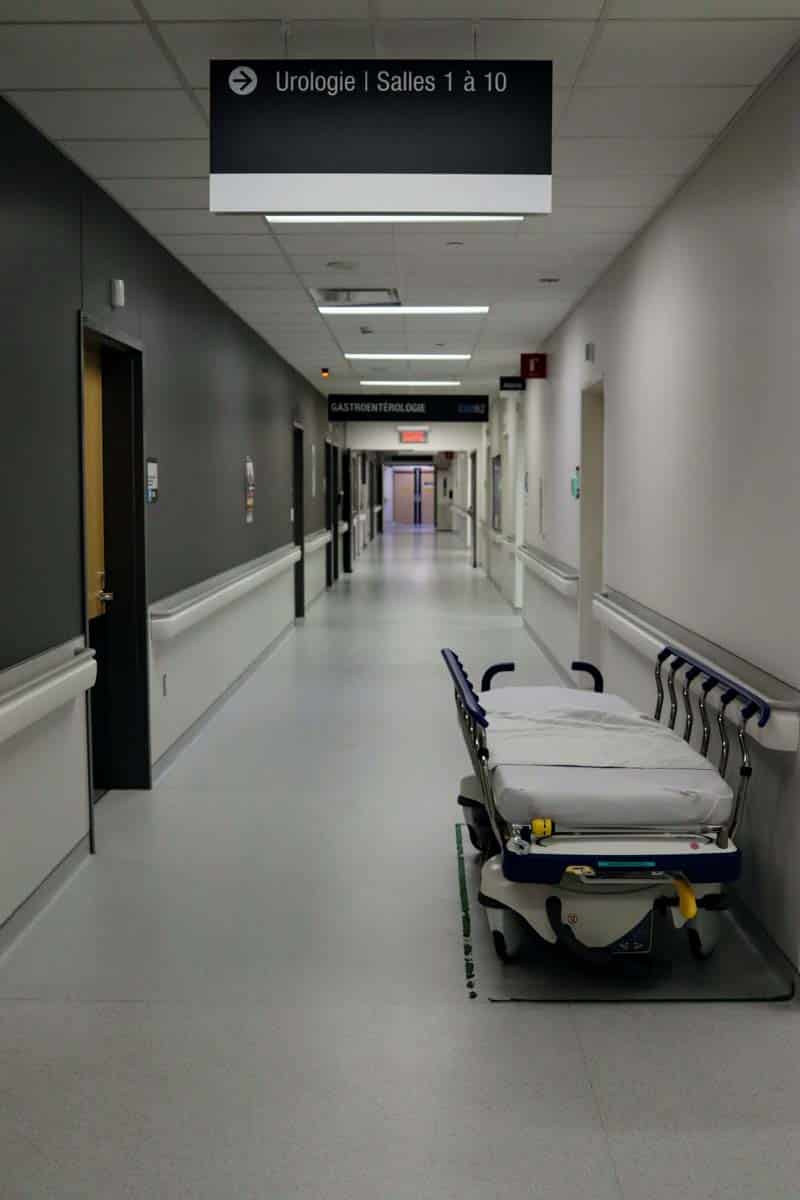
Deciding to seek Partial Hospitalization for a drug or alcohol addiction is a courageous step, especially when you feel completely overwhelmed. You might be emotionally exhausted from trying to manage everything on your own for so long. It is completely normal to feel scared about stepping away from your daily life to get the professional help you need. You deserve a path that provides deep clinical support without forcing you to leave your home entirely, and Partial Hospitalization offers exactly that.
Understanding the Benefits of Partial Hospitalization
When exploring treatment options, the sheer number of choices can feel paralyzing and confusing. A Partial Hospitalization Program, or PHP, offers a powerful middle ground for those needing robust clinical support. This specialized level of care delivers the exact same comprehensive therapy found in traditional residential facilities. The primary difference is that with Partial Hospitalization, you return to your own bed at the end of the day. This schedule allows you to receive a full day of medical and emotional support while maintaining a deep connection to your personal sanctuary. You get the intensive care required to heal safely, without the isolation of an overnight stay. This structure of Partial Hospitalization is not just a compromise; for many, it is a superior model for integrating recovery into real life from the very beginning.
This treatment modality is built on the understanding that recovery is not a one-size-fits-all process. Partial Hospitalization acknowledges the complex realities of modern life, where responsibilities to family, work, and community do not simply pause because treatment is necessary. By offering a high level of care during the day, a PHP empowers individuals to confront their addiction with professional support while still upholding essential personal roles. This integration can significantly reduce the anxiety and stress associated with entering a full-time residential program, making the decision to seek help much more attainable for a broader range of people. The Partial Hospitalization program acts as a bridge, connecting the intensity of inpatient care with the practical realities of outpatient life.
Balancing Intensive Clinical Care With Home Comfort
Spending thirty days or more entirely away from your family is simply not feasible for everyone. With Partial Hospitalization, you can actively participate in your recovery while keeping your support system very close. You get to hug your loved ones each evening, eat dinner at your own table, and sleep in a familiar environment. This connection to home is not just a comfort; it is a vital component of the healing process in a Partial Hospitalization setting. Having the support of family and friends can provide motivation and emotional stability during the challenging work of recovery.
This flexible arrangement helps you practice your new coping skills in the real world immediately. When a stressful moment arises at home, you do not have to figure it out alone. You have a dedicated care team in your Partial Hospitalization program waiting to help you process that specific challenge the very next morning. This immediate feedback loop is invaluable. Instead of learning skills in a protected bubble and then struggling to apply them weeks later, you are constantly testing and refining your strategies in the context of your actual life. This process builds resilience and confidence, demonstrating that you can handle life’s stressors without resorting to substance use. It makes the transition to a fully independent, sober life feel less like a cliff and more like a gentle slope, which is a key benefit of Partial Hospitalization.
A Compassionate Alternative to Traditional Inpatient Rehab
Many people delay getting help because they mistakenly believe a locked residential facility is their only option. That outdated belief keeps too many individuals trapped in a painful, exhausting cycle of substance use. Modern recovery focuses on meeting you exactly where you are with profound compassion and deep respect. A PHP, or Partial Hospitalization Program, embodies this philosophy by offering a less restrictive, yet equally effective, path to sobriety. It respects your autonomy and trusts you to be an active partner in your own healing journey.
A structured daytime Partial Hospitalization program treats you as a whole person, not just a list of symptoms to manage. You spend your days working alongside empathetic professionals who truly understand the heavy burden you carry. They help you build a personalized strategy for overcoming drug or alcohol addiction without stripping away your daily independence. This approach fosters a sense of empowerment. It sends the message that you are capable and that your life outside of the treatment center matters. This respect for your individuality can be a powerful motivator, encouraging you to invest more deeply in the therapeutic process and commit to long-term change through Partial Hospitalization.
Healing the Root Causes of Drug and Alcohol Addiction
Substance use is rarely the actual root of the problem. Most often, it is simply a desperate way to numb unresolved trauma, severe anxiety, or profound emotional pain. Your daily therapy sessions in Partial Hospitalization provide a completely safe space to finally unpack these heavy burdens. Through a combination of individual counseling, group therapy, and holistic practices, you begin to unravel the complex web of factors that contributed to your addiction. Therapists guide you in identifying triggers, understanding past traumas, and developing healthier emotional responses.
By addressing the underlying mental health struggles, you naturally reduce the desperate urge to self-medicate. You learn how to soothe your mind and body using healthy, sustainable methods like mindfulness, cognitive behavioral therapy, or dialectical behavior therapy. This deep, holistic healing is exactly what makes lasting sobriety possible for you. Instead of just learning to say no to a substance, you are fundamentally changing your relationship with your own thoughts and feelings. This profound internal shift, fostered within a Partial Hospitalization program, is the cornerstone of a recovery that is not just about abstinence but about creating a life that is genuinely fulfilling and joyful.
Creating a Sustainable Routine for Long-Term Recovery
The ultimate goal of any treatment plan, including Partial Hospitalization, is to prepare you for a healthy, vibrant, and independent future. Transitioning from a highly restricted environment back to normal life is notoriously difficult and stressful. By living at home during your Partial Hospitalization care, you eliminate the shock of that massive transition. The integration of recovery practices into your daily life happens organically, not as an afterthought.
You are already navigating your normal daily routine while receiving high-level professional guidance within the Partial Hospitalization framework. You will learn how to manage everyday triggers, communicate your emotional needs clearly, and find joy in a sober lifestyle. By the time your program concludes, these healthy choices will already feel entirely natural to you. This seamless integration of skills is a key advantage of the Partial Hospitalization model. You are not just learning theories in a classroom; you are living your recovery every single day, building a strong foundation of healthy habits that will support you for years to come. This approach minimizes the risk of relapse that can occur when an individual returns to an unchanged home environment after an extended stay in a residential facility.
Frequently Asked Questions
Does health insurance cover Partial Hospitalization?
Yes, most major health insurance networks recognize Partial Hospitalization as a highly necessary medical service. A PHP is a well-established level of care with clear clinical guidelines, which insurance providers typically cover. Admissions counselors can provide a confidential benefits check to help you understand your specific coverage for Partial Hospitalization, including any deductibles or copayments, before you commit.
How many hours a day does Partial Hospitalization require?
Partial Hospitalization programs generally involve five to six hours of comprehensive therapy each weekday. This structured schedule provides a full day of clinical support while leaving your evenings and weekends completely free for rest and family time. A typical day might include individual therapy, group sessions, educational workshops, and holistic activities.
Is Partial Hospitalization safe for someone going through active withdrawal?
Partial Hospitalization programs are designed for individuals who are medically stable and do not require round-the-clock physical monitoring. If you are experiencing active drug or alcohol withdrawal symptoms, which can be dangerous, you will likely need a short medical detox before transitioning safely into a Partial Hospitalization structure.
What kind of therapies are offered in a Partial Hospitalization Program?
A comprehensive Partial Hospitalization Program offers a wide range of evidence-based therapies. These typically include Cognitive Behavioral Therapy (CBT), Dialectical Behavior Therapy (DBT), group therapy, family counseling, and educational workshops about the nature of addiction.
How long does a Partial Hospitalization Program last?
The duration of a Partial Hospitalization Program can vary depending on individual needs and progress, but it often lasts between four and six weeks. Your clinical team will work with you to create a personalized treatment plan and determine the appropriate length of your Partial Hospitalization stay.
What happens after I complete the Partial Hospitalization program?
A good Partial Hospitalization program includes robust aftercare planning. Before you graduate, your treatment team will work with you to develop a continuing care plan, which often involves stepping down to a less intensive level of care, like an Intensive Outpatient Program (IOP), and connecting you with community support groups.
Taking the Next Gentle Step Forward
You have carried the heavy weight of drug or alcohol addiction for long enough. You do not have to choose between getting exceptional clinical care and staying close to the people you love. Partial Hospitalization provides the intensive, compassionate support you need to rebuild your life safely and securely.
If you are ready to explore a treatment path that respects your daily life and honors your journey, please reach out to our admissions team today. We are here to listen, answer your questions about Partial Hospitalization, and gently guide you toward a brighter, healthier tomorrow. Making that call is the first, most powerful step toward reclaiming your future.