
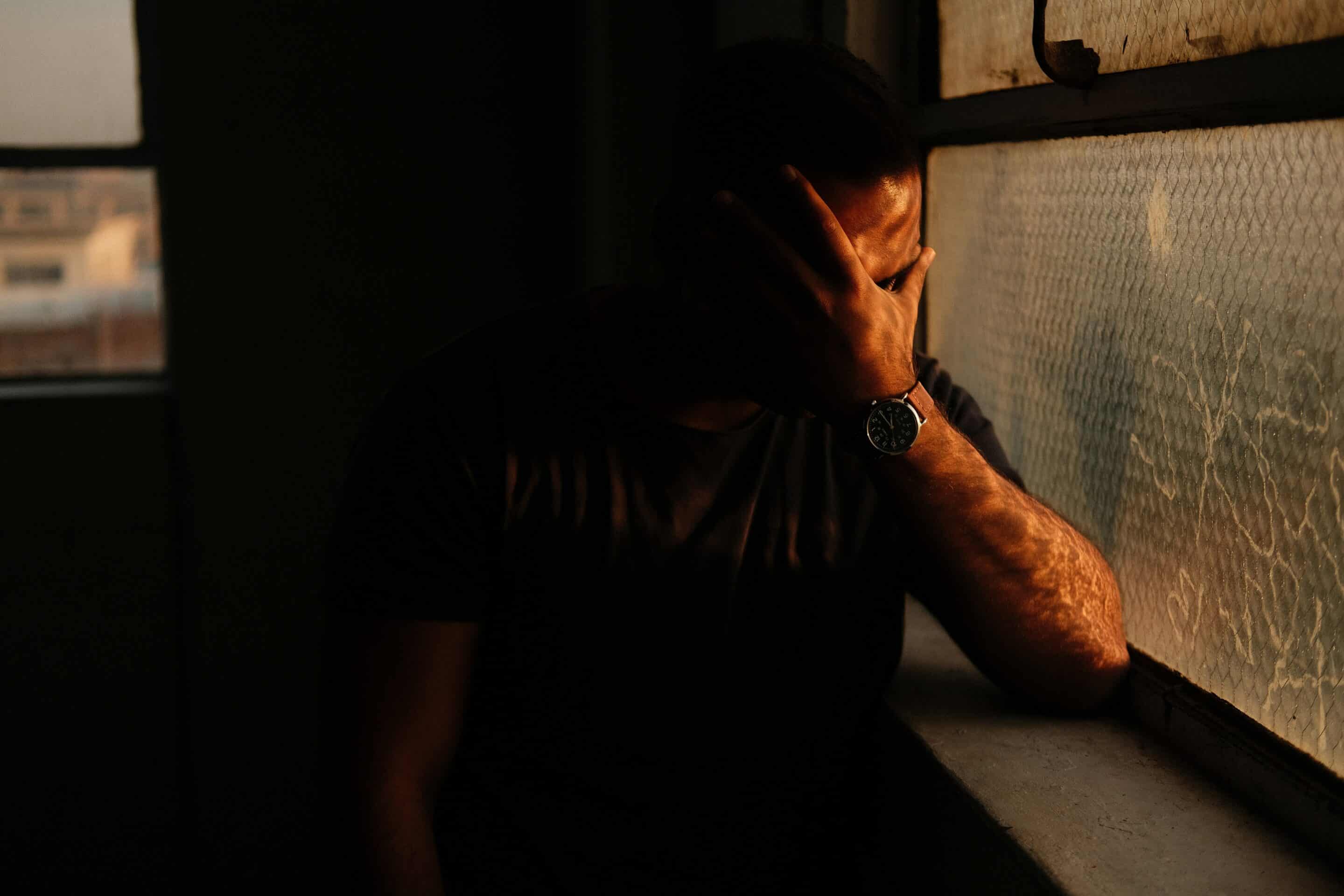
Bipolar disorder often hides behind bursts of productivity, energy, and confidence, which is exactly why so many people go years without recognizing it. During the high phases, life can feel amazing. You get more done, sleep less, and feel unstoppable.
Then the crash arrives, and suddenly the same person who felt on top of the world can barely get out of bed.
If this pattern sounds familiar in your life or a loved one’s life, you are not alone, and you are not simply “moody” or “inconsistent.” What looks like ambition followed by burnout may be a treatable condition that deserves real care. The hopeful truth is that recognizing the cycle is the first step toward steadier ground.
How Does Bipolar Disorder Hide Behind Productivity?
Bipolar disorder hides behind productivity because its high phases, called hypomania or mania, can feel like peak performance rather than a symptom. During these periods, you may accomplish an enormous amount, feel bursting with ideas, and need very little sleep.
To you and everyone around you, this can look like success. Who questions someone who is suddenly energized, creative, and getting everything done?
That is the trap. The most disruptive symptoms often disguise themselves as your best qualities.
What Do Hypomania and Mania Actually Look Like?
Hypomania and mania look like heightened energy, mood, and activity that go beyond your usual baseline. The difference between the two is mostly a matter of intensity and impact.
You might notice patterns like these during a high phase:
- You feel unusually confident, powerful, or even invincible.
- Your thoughts race, and you jump quickly from idea to idea.
- You sleep far less but do not feel tired.
- You take on ambitious projects, spending sprees, or big risks.
- You talk faster and feel more social or restless than usual.
Hypomania tends to feel productive and pleasant, which is why it rarely raises alarm. Full mania can escalate into risky decisions, impaired judgment, and sometimes a break from reality that needs urgent care.
Why Do the Crashes Get Missed or Misdiagnosed?
The crashes get missed or misdiagnosed because the depressive phase is what usually brings people to seek help, and doctors often see only that half of the picture. When you finally reach out, you are typically at your lowest, not during a high.
So the conversation centers on depression. The energized, productive weeks feel like the “real you” finally showing up, not a symptom worth mentioning.
This is one of the most common reasons bipolar disorder is misdiagnosed as depression alone. Treating only the low phase, sometimes with antidepressants by themselves, can occasionally trigger or worsen the high phases.
Why the Highs Feel Too Good to Report
The highs feel too good to report because they often come with relief, confidence, and a sense that everything is finally working. After a stretch of exhaustion or sadness, feeling capable again seems like recovery, not a warning sign.
You may not connect the dots between the productive weeks and the crash that follows. From the inside, the cycle can feel like ordinary ups and downs rather than a pattern that needs attention.
Family members often miss it too. They may celebrate the busy, cheerful version of you and worry only when the low arrives, never realizing the two are linked.
What Is the Link Between Bipolar Disorder and Substance Use?
The link between bipolar disorder and substance use is strong, because people often reach for substances to manage both the highs and the lows. During a manic phase, alcohol or other substances may feel like part of the excitement. During a depressive crash, they can seem like a way to numb the pain.
This creates a cycle that is difficult to untangle. Substances can intensify mood swings, disrupt sleep, and make the condition harder to recognize and treat.
Because mood shifts and substance use can blur together, one is frequently mistaken for the other. Someone may be told they simply have a substance problem when an underlying mood condition is driving much of the behavior.
When bipolar disorder and substance use occur together, treating both at the same time works better than treating either one alone. Integrated dual diagnosis care addresses the mood symptoms and the substance use as connected parts of the same story.
What Does Treatment for Bipolar Disorder Look Like?
Treatment for bipolar disorder looks like a combination of therapy, mood stabilization, and steady lifestyle support tailored to your specific pattern. The goal is not to flatten who you are. It is to reduce the extreme swings so you can feel more like yourself, more consistently.
Therapy is a central part of care. Approaches like cognitive behavioral therapy help you recognize early warning signs, manage triggers, and build routines that support stability.
When appropriate, a medical provider may discuss medication that helps balance mood over time. This is a personal decision made with professional guidance, and it can make a meaningful difference for many people.
Daily structure matters more than people expect. Consistent sleep, regular routines, and stress management help protect against the swings that fuel the cycle.
At Impact Outpatient Program, care is designed to meet you where you are. Flexible outpatient and intensive outpatient options let you get meaningful support while continuing to work, study, and care for your family. When mood symptoms and substance use overlap, integrated care addresses both together.
How Do You Know It Is Time to Seek Support?
You may be ready to seek support if your moods, energy, and functioning swing in ways that disrupt your life or leave you drained. You do not need to wait for a full crisis to take the pattern seriously.
Consider reaching out if any of these feel true for you or a loved one:
- You go through stretches of high energy and confidence followed by deep lows.
- You have been diagnosed with depression, but treatment has not fully worked.
- You make impulsive decisions during high periods that you later regret.
- Your sleep changes dramatically depending on your mood.
- You have used alcohol or other substances to manage your highs or lows.
- People close to you have noticed dramatic shifts in your behavior.
If even one of these resonates, that is reason enough to talk with a professional. Reaching out is not an overreaction. It is a step toward steadier, more balanced days.
What People Often Ask Before Starting Treatment
Can I have bipolar disorder if my high phases feel good and productive? Yes. The high phases, especially hypomania, often feel pleasant and productive, which is exactly why the condition is so easy to miss. Feeling capable during those periods does not rule out a mood condition.
Why was I diagnosed with depression instead? Many people are diagnosed with depression first, because the low phases are what prompt them to seek help. When the high phases go unreported, the full pattern stays hidden until a provider looks more closely.
Will treatment change my personality or take away my creativity? No. The goal of care is to reduce harmful extremes, not to erase your energy, ideas, or personality. Many people feel more like themselves once the swings become more manageable.
What if I have both bipolar disorder and substance use concerns? Integrated treatment can address both at the same time. Because they often feed each other, treating them together usually leads to steadier, more lasting results.
Take the Next Step Toward Stability
Bipolar disorder can hide behind your most productive, capable moments until the crash makes the pattern impossible to ignore. What you have carried as unpredictable highs and lows may be a treatable condition that has waited too long for care.
You deserve to feel steady, grounded, and in control of your own life again. Recognizing the cycle is not a weakness. It is the beginning of real change.
If dramatic shifts in mood, energy, and functioning have shaped your days, help is available whenever you are ready. Reach out to Impact Outpatient Program today to learn how our compassionate team can support you or your loved one with clear, personalized care and a path forward built around your needs.