
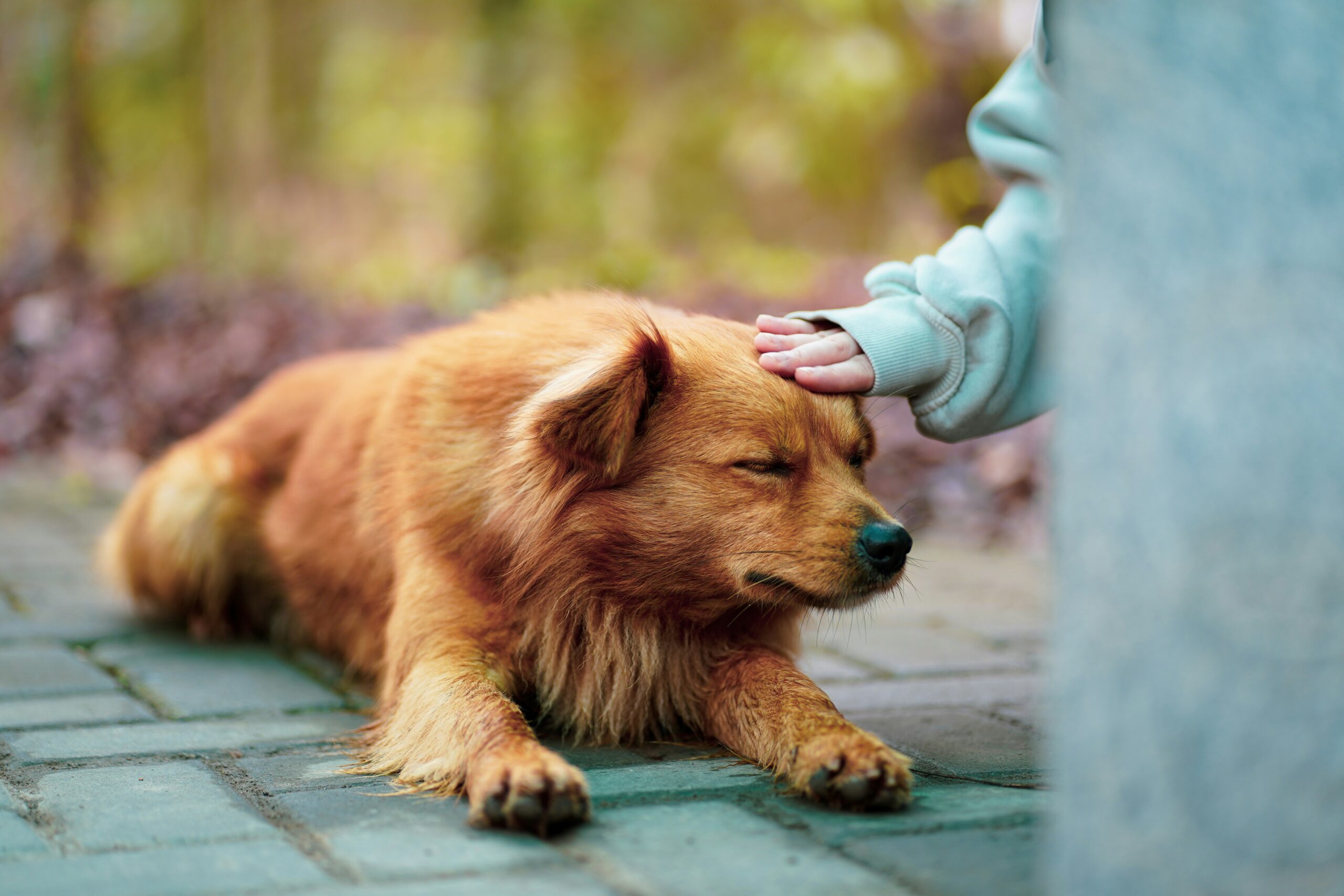
When people think about addiction treatment, they often envision traditional therapy sessions, medical interventions, and support groups. While these methods are effective and remain a cornerstone of recovery, innovative approaches are now transforming how we understand and treat substance use disorders. Among these, animal-assisted therapy has emerged as an exciting and highly effective complement to conventional treatment methods, offering unique and meaningful benefits for individuals navigating their recovery journey.
Animal-assisted therapy involves the use of trained animals working alongside licensed therapists to aid in emotional healing, build coping skills, and foster resilience. For individuals struggling with drug and alcohol addiction, this therapeutic approach can provide comfort, motivation, and new pathways to healing that traditional methods alone might not achieve. By creating a space for unconditional love, trust, and connection, therapy animals have proven to be a powerful tool in helping individuals recover and rebuild their lives.
How Animal-Assisted Therapy Works in Recovery
Animal-assisted therapy operates on the principle that the human-animal bond can support healing and personal growth in profound ways. Sessions typically involve interactions with specially trained therapy animals under the supervision of qualified professionals. These interactions are carefully structured to target specific therapeutic goals, ensuring that each session contributes meaningfully to the individual’s recovery process.
Therapy animals—commonly dogs, horses, or cats—undergo rigorous training to prepare them for clinical settings. These animals are taught to remain calm in diverse situations and respond appropriately to a wide range of emotional states. This creates a safe, supportive environment where individuals feel free to express their emotions, practice new behaviors, and learn coping mechanisms without the fear of judgment or failure.
For example, equine therapy has been shown to help individuals develop greater self-awareness and confidence through activities like grooming or leading a horse. Similarly, interacting with a therapy dog can provide immediate emotional grounding during challenging therapy sessions or moments of emotional distress.
Emotional Benefits of Addiction Recovery
One of the most powerful aspects of animal-assisted therapy is its ability to address the emotional struggles that often accompany addiction. Many individuals dealing with substance use disorders experience feelings of shame, guilt, isolation, and low self-worth. Animals provide a non-judgmental, unconditional acceptance that helps create a healing space where individuals can begin to rebuild their sense of self.
Numerous studies have shown that interacting with animals can reduce stress hormones such as cortisol and increase the production of oxytocin and dopamine—chemicals in the brain associated with happiness, bonding, and emotional well-being. The simple act of petting a dog, playing with a cat, or grooming a horse can provide instant comfort and grounding, helping to stabilize emotions during difficult moments. These natural mood enhancements are particularly valuable for individuals whose brain chemistry has been affected by prolonged substance use.
Building Essential Life Skills
In addition to emotional benefits, animal-assisted therapy helps individuals in recovery build practical life skills that are essential for long-term sobriety. Caring for a therapy animal involves responsibility, routine, and consistency—qualities that are crucial for maintaining a structured, healthy lifestyle. Activities like feeding, grooming, or exercising an animal provide hands-on opportunities to develop these skills in a supportive, low-pressure environment.
Animal interactions also improve communication and relationship-building abilities. Many individuals in recovery face challenges when it comes to expressing emotions or forming healthy connections with others. Therapy animals respond to non-verbal cues, such as body language and emotional energy, offering immediate feedback that highlights communication patterns. Over time, these lessons can translate into better interpersonal skills in human relationships, fostering stronger and healthier connections.
Reducing Anxiety and Depression
Anxiety and depression are common co-occurring disorders for individuals struggling with addiction, often making recovery more complex. Animal-assisted therapy provides a natural, effective way to address these mental health challenges. The presence of therapy animals has been shown to lower heart rate and blood pressure, reducing the physical symptoms of anxiety and promoting a sense of calm.
Additionally, regular interaction with animals encourages physical activity and outdoor engagement, both of which are proven to enhance mood and overall well-being. Whether it’s walking a therapy dog around the park or participating in equine therapy in a tranquil outdoor setting, these activities provide gentle exercise that benefits both mental and physical health. Over time, they can help individuals develop healthier habits that support long-term recovery.
Supporting Long-Term Recovery Goals
What makes animal-assisted therapy particularly impactful is its ability to create lasting change. This approach doesn’t just offer temporary relief—it fosters genuine growth, helping individuals build skills, connections, and a renewed sense of purpose that supports ongoing recovery. Many participants report that their bond with therapy animals serves as a powerful motivator to maintain sobriety, as the animals rely on their care and consistent presence.
Therapy animals can also provide a sense of responsibility and accountability that extends beyond the treatment setting. For some individuals, the connection they form with these animals becomes an anchor in their recovery journey, reminding them of their progress and their capacity to care for others.
Taking the Next Step in Your Recovery Journey
Recovery from addiction is absolutely possible, but finding the right combination of treatments is key. If you or a loved one is struggling with substance use, professional help is available. Animal-assisted therapy is just one of the many innovative options designed to support your unique path to healing. By combining traditional methods with newer approaches, you can create a comprehensive recovery plan tailored to your needs.
Reach out to the Louisville Impact Outpatient Program to learn more about our wide range of treatment options, including cutting-edge therapies like animal-assisted therapy. Together, we can help you take the next step toward a healthier, more fulfilling future. Remember, recovery isn’t just about overcoming addiction—it’s about rediscovering hope, building resilience, and creating a life you truly love.