
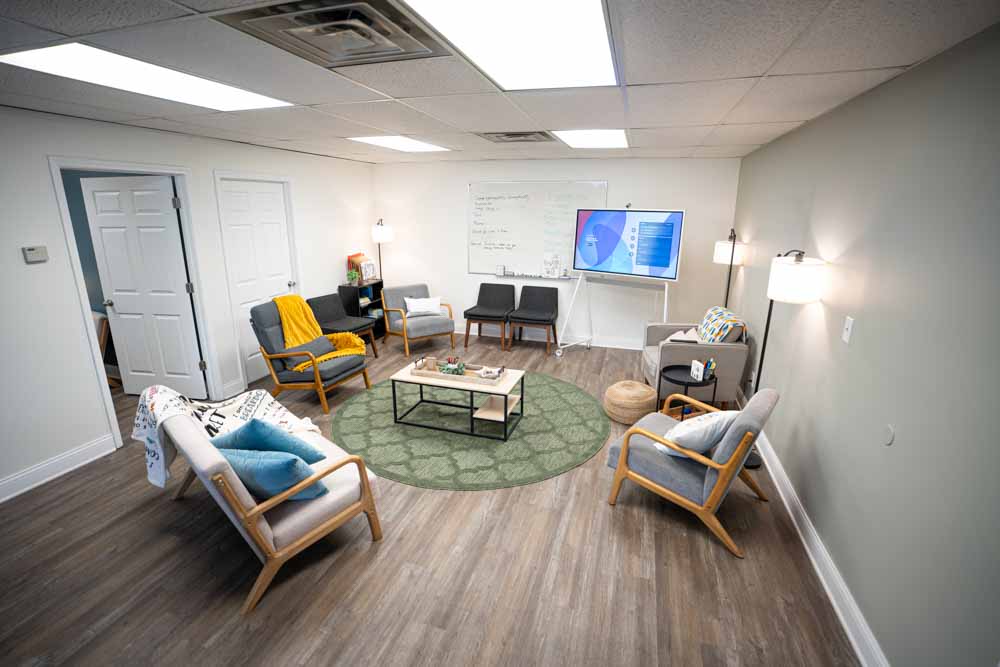
Starting an outpatient program for substance use can feel overwhelming, especially if you’re unsure about what to expect. However, understanding the range of support and services available in modern outpatient programs can help ease your concerns. These programs are designed to fit seamlessly into your daily life, offering a structured path to recovery while allowing you to maintain work, family, and personal responsibilities.
Outpatient programs have evolved significantly in recent years, adopting evidence-based practices and flexible scheduling to meet the diverse needs of participants. Whether you’re balancing a full-time job, family obligations, or personal goals, outpatient treatment offers a way to pursue recovery on your terms.
Understanding Outpatient Treatment Structure
Modern outpatient programs cater to different levels of need. Intensive outpatient programs (IOP) typically require 9-12 hours of participation per week, spread across three to four days. These programs are ideal for individuals who need a higher level of support but still want to live at home and maintain their daily routines. Standard outpatient treatment is less demanding, often involving 2-3 sessions weekly, making it a good option for those who might be transitioning from more intensive care or who have milder needs.
Sessions can be scheduled during evenings, weekends, or mornings, providing flexibility for people with busy schedules or varying availability. This structure ensures that treatment enhances your routine rather than disrupting it, making recovery more accessible and sustainable.
Group sessions are at the heart of most outpatient programs, offering a dynamic and supportive community environment. Sharing challenges and triumphs with others who understand your journey can foster a sense of belonging and encouragement. At the same time, programs also emphasize one-on-one individual counseling, ensuring that personal recovery goals and specific challenges are directly addressed.
Core Components of Modern Programs
Outpatient programs are built on several core components that work together to support recovery:
- Individual Therapy: One-on-one sessions with licensed counselors allow you to focus on your personal recovery journey. These sessions address underlying issues contributing to substance use and help you develop long-term coping strategies tailored to your circumstances.
- Group Therapy: Group sessions bring together individuals facing similar challenges, creating a peer support network. Facilitated discussions cover various topics such as trauma, relapse prevention, healthy relationships, and life skills. These shared experiences often provide valuable insights and motivation.
- Family Involvement: Addiction often affects more than just the individual. Many programs include family therapy sessions or educational workshops to help loved ones better understand addiction as a disease. These sessions teach skills for effective communication and support, helping families work together during recovery.
- Medication Management: For those who need it, medical professionals oversee the use of medications that support recovery. These can include medications to ease withdrawal symptoms, treat co-occurring mental health conditions, or reduce cravings. This ensures a comprehensive and medically informed approach to treatment.
Evidence-Based Approaches
Modern outpatient programs rely on proven therapeutic techniques to maximize effectiveness. Cognitive Behavioral Therapy (CBT) helps individuals identify and reframe negative thought patterns that contribute to substance use. Dialectical Behavior Therapy (DBT) builds skills for managing intense emotions and reducing stress.
Motivational interviewing is another key approach, helping participants strengthen their own motivation for positive change. Trauma-informed care is often integrated to address past experiences that may have led to or exacerbated substance use. These evidence-based approaches are tailored to fit individual needs and ensure a personalized recovery plan.
Technology Integration
In today’s digital age, many outpatient programs incorporate technology to enhance the treatment experience. Telehealth options make it easier to attend therapy sessions when in-person attendance isn’t possible, ensuring that treatment remains accessible regardless of location. Mobile apps are often used to track progress, provide reminders, and offer support between sessions.
Some programs also use online platforms for sharing educational materials, practice assignments, or self-reflection exercises. This digital integration extends the program’s reach, offering tools and resources that participants can access anytime, reinforcing their recovery journey.
Building Recovery Skills
One of the key focuses of outpatient programs is equipping participants with practical life skills. Sessions often include training in stress management, communication, conflict resolution, and problem-solving techniques. These skills are designed to help participants navigate real-world challenges more effectively.
Programs also emphasize relapse prevention planning, which is essential for long-term recovery. Participants work with counselors to identify triggers, develop coping strategies, and create actionable plans for managing high-risk situations. These tools provide a solid foundation for maintaining sobriety after completing the program.
Your Journey Forward
Recovery through outpatient treatment is a gradual, step-by-step process that respects your individual pace. Programs typically last several months, with the intensity of treatment decreasing as you make progress. For many, outpatient programs strike the perfect balance between providing structured support and maintaining independence.
Starting an outpatient program can feel like a big step, but it’s also a powerful act of courage and self-commitment. Seeking professional help is a testament to your willingness to make positive changes in your life. Modern outpatient programs are designed to meet you where you are, offering the tools and support needed to navigate your unique path to recovery.
If you’re ready to take the next step, Impact Outpatient Program® is here to help. Their care team can guide you through your options and support you as you begin your journey toward lasting recovery. Remember, you don’t have to do this alone—help is just a phone call away.