
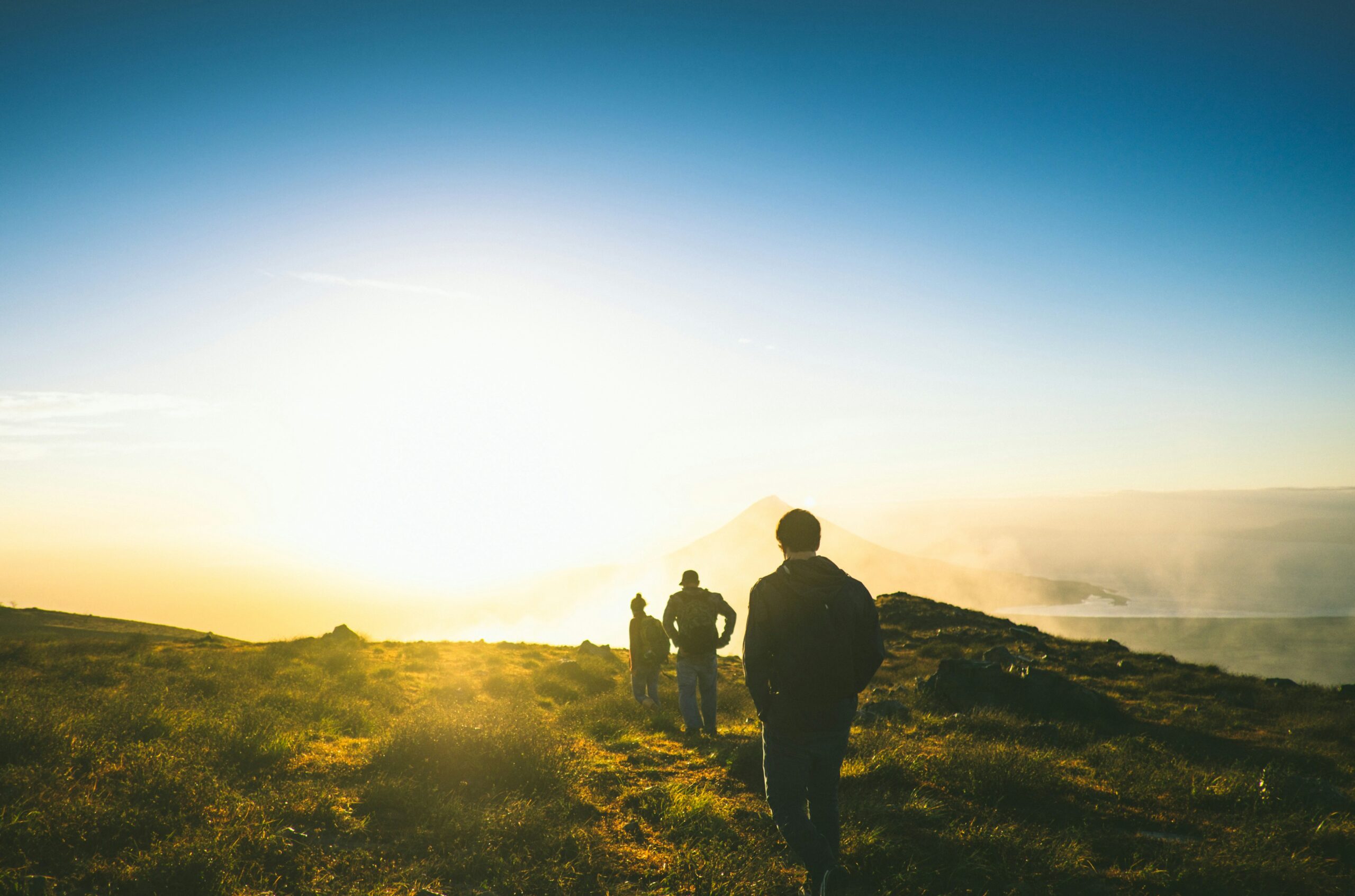
Wilderness therapy can help when our lives are filled with a constant hum of notifications, headlines, and digital chatter. This endless stream of information can create a state of mental overload, leaving you feeling anxious, scattered, and disconnected from yourself. When you are also navigating the challenges of recovery from a substance use disorder, this mental noise can feel even more intense, making it difficult to find the quiet space needed for healing. You might feel like you are unable to turn your brain off, constantly battling racing thoughts and overwhelming stress.
If this feeling of being mentally overloaded resonates with you, please know that there is a way to find clarity and peace again. Sometimes, the most effective way to reset is not to add another tool or technique, but to subtract the noise. Wilderness therapy offers a powerful opportunity to unplug from the chaos of modern life and reconnect with the quiet, grounding rhythm of the natural world.
What Is Wilderness Therapy?
Wilderness therapy, sometimes called outdoor behavioral healthcare, is a clinically supervised treatment approach that uses experiences in nature to foster emotional, psychological, and behavioral change. This is far more than just a hike or a camping trip. Led by licensed therapists, these programs guide individuals through challenging yet rewarding outdoor activities, such as backpacking, rock climbing, or canoeing.
Each activity is carefully chosen to serve as a metaphor for the personal challenges faced in recovery. By removing individuals from their everyday environment and its associated triggers, wilderness therapy creates a unique, distraction-free setting. Here, clients can begin to quiet their minds, address underlying issues, and build a profound sense of personal strength.
How Does Nature Help Quiet Mental Noise?
The constant stimulation of our digital world keeps our nervous systems in a state of high alert. Wilderness therapy offers a direct antidote to this by immersing you in an environment that naturally calms the mind and body. This process is not just a feeling; it is supported by science.
Restoring the Brain’s Natural Balance
Studies have shown that spending time in nature has a measurable impact on the brain. It can decrease activity in the prefrontal cortex, the part of the brain associated with rumination and worry. This physiological shift helps to quiet the cyclical, negative thought patterns that often fuel both anxiety and addiction. The simple act of walking through a forest or listening to the sound of a stream can reduce levels of the stress hormone cortisol, lower blood pressure, and promote a sense of calm.
Fostering Presence Through Mindfulness
In the wilderness, you are required to be present. You must pay attention to the trail beneath your feet, the weather on the horizon, and the needs of your own body. This focus on the here and now is a natural form of mindfulness. It pulls you out of the regrets of the past and the anxieties of the future, anchoring you firmly in the present moment. This practice helps to break the cycle of mental noise, replacing it with a quiet awareness of your surroundings and your inner state.
How Does Wilderness Therapy Foster Personal Growth?
Beyond just quieting the mind, wilderness therapy provides a powerful platform for building the resilience and self-awareness needed for long-term recovery.
Building Confidence Through Tangible Accomplishments
Addiction can systematically erode a person’s self-esteem, leaving them feeling incapable and powerless. The challenges presented in wilderness therapy offer a direct way to rebuild that confidence. When you successfully navigate a difficult trail, learn to build a fire, or work with a team to set up camp, you gain tangible proof of your own competence and strength. These accomplishments are not abstract; they are real, earned victories that foster a deep and lasting sense of self-efficacy. You begin to see yourself not as someone defined by past struggles, but as a capable and resilient individual.
Encouraging Authentic Connection
In the quiet of the wilderness, stripped of digital distractions and social masks, communication becomes more direct and honest. Many wilderness therapy programs are group-based, placing you with a small community of peers who are on a similar journey. The shared experience of overcoming challenges together fosters a powerful sense of camaraderie and trust. You learn to rely on others and, just as importantly, you learn that others can rely on you. This experience helps to rebuild the healthy, authentic connections that are so often damaged by addiction.
Unplugging to Find Your Path Forward
Recovery is not just about abstaining from substances; it is about creating a life that is peaceful, connected, and meaningful. Sometimes, the first step on that journey is to unplug from the noise that is holding you back. Wilderness therapy provides the space to reset your mind, reconnect with your inner strength, and rediscover a world of quiet beauty and possibility. It is an opportunity to find clarity in a world that feels chaotic.
At Impact Outpatient Program, we believe in a holistic approach to healing that nurtures the mind, body, and spirit. Our wilderness therapy excursions are designed to complement our clinical programs, providing transformative experiences that build confidence and foster lasting change. If you are ready to quiet the mental noise and find a new path forward, we are here to guide you. Contact us today to learn how we can support you on your journey to wellness.