
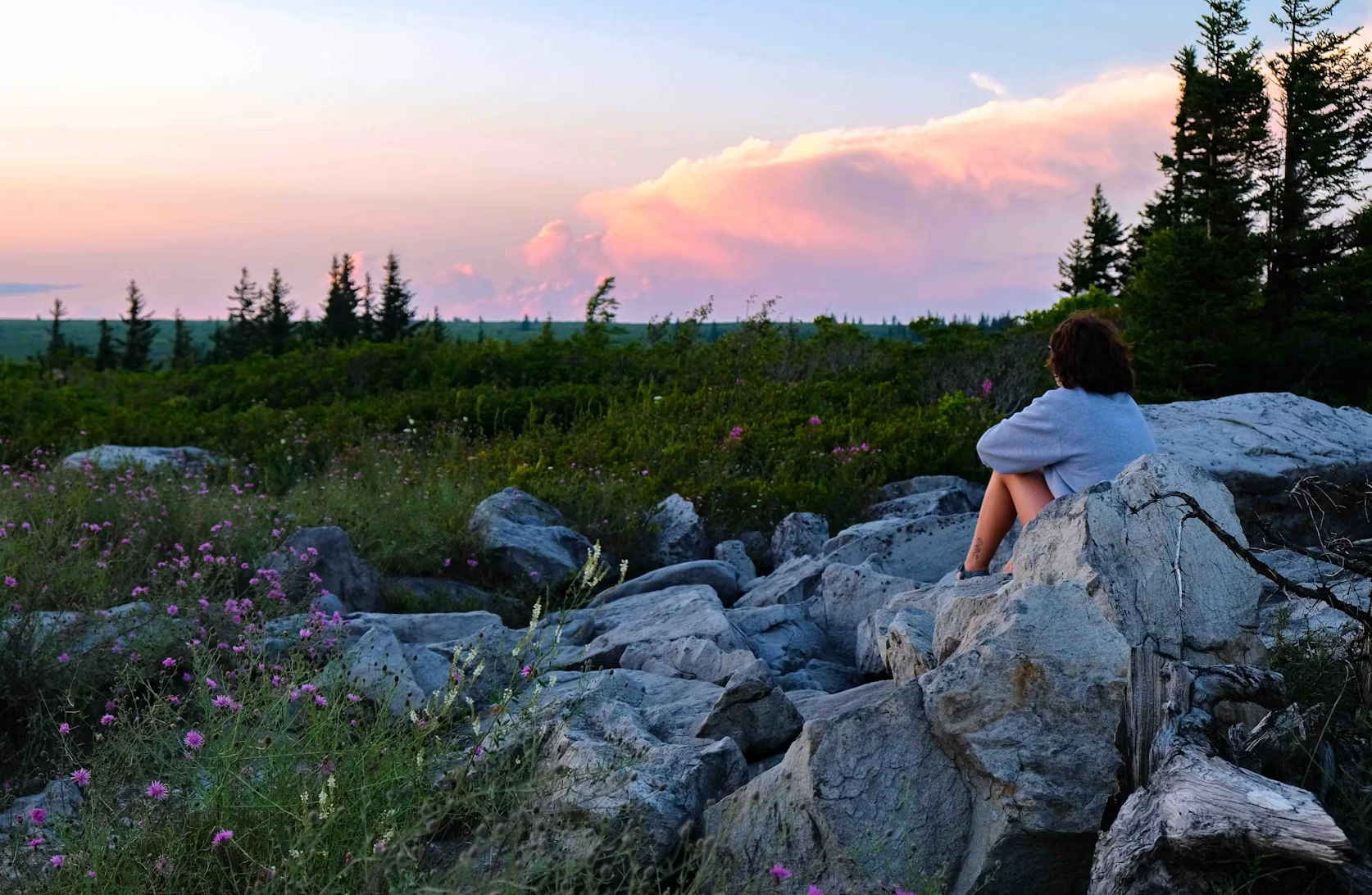
Finding the right treatment path can feel overwhelming, but exploring Wilderness Therapy offers a unique and powerful way to heal from drug or alcohol addiction. You might feel completely exhausted by traditional counseling rooms, where finding the right words feels impossible. Sometimes, sitting in a chair and talking about your deep emotional pain is simply not enough to break through the mental fog. It is completely normal to feel frustrated when conventional methods do not seem to click right away. There is a deeply grounded alternative that allows you to process your feelings through physical movement and a serene connection to nature.
The Unique Benefits of Wilderness Therapy in Drug Recovery
When you battle a severe drug or alcohol addiction, your mind and body often feel completely disconnected from one another. A structured Wilderness Therapy program bridges that gap by placing you in a calm, natural environment. Instead of staring at a clinic wall, you get to breathe fresh air and engage your physical senses.
This approach recognizes that healing is not just a purely mental exercise. It requires moving heavy trauma and daily stress entirely out of your physical body. By stepping into nature, you naturally lower your heart rate and begin to soothe your highly stressed nervous system.
Wilderness Therapy provides a safe space to practice resilience in real time. When you face a minor physical challenge on a hiking trail, you learn to adapt and overcome it without giving up. These small victories translate directly into how you handle difficult triggers in your everyday sober life.
Moving Beyond Traditional Talk Therapy Limits
Talk therapy is an excellent tool, but unresolved trauma often lives deep within our physical tissues. You might struggle to articulate exactly why you feel the desperate urge to self-medicate on certain days. In these vulnerable moments, physical actions can speak much louder than verbal processing ever could.
Building a fire, hiking a trail, or setting up a secure camp requires dedicated focus and teamwork. These physical activities force you to stay perfectly present in the current moment. You learn how to handle immediate frustration and overcome obstacles without relying on any external chemical substances.
Rebuilding Trust Through Physical Experience in Wilderness Therapy
Drug and alcohol addiction often destroys the trust you have in your own physical body. You might feel weak, deeply tired, or entirely disconnected from your natural internal strength. Guided outdoor experiences in a Wilderness Therapy setting help you safely rebuild that missing physical confidence step by step.
As you complete physical tasks in the woods, you remember just how capable you actually are. That profound sense of accomplishment is entirely genuine and deeply healing. It effectively replaces the artificial confidence that substances used to provide during your darkest days.
You also learn the vital importance of relying on others healthily. Navigating outdoor tasks requires steady communication and cooperation with your peers. This shared physical experience naturally breaks down the walls of isolation that addiction creates.
Finding Quiet Space to Truly Heal
Modern life is incredibly loud, filled with constant notifications, demanding jobs, and daily family pressures. Escaping into nature removes those stressful distractions completely. This profound outdoor quiet gives your mind the actual space it needs to process heavy emotions safely.
You will work alongside compassionate clinical professionals who guide you through these outdoor challenges. They help you connect your physical achievements in nature to your overall emotional recovery journey. This holistic connection ensures you are building a deeply grounded, lasting sobriety that you can maintain at home.
Frequently Asked Questions
Do I need outdoor survival skills to participate in this program?
No prior outdoor experience is necessary to join and benefit from this program. It is a common misconception that participants need to be seasoned adventurers to engage in Wilderness Therapy. Our programs are designed to be accessible to everyone, regardless of their background with the outdoors. Trained guides and clinical professionals teach you everything you need to know to stay safe and comfortable in nature. Initial sessions focus on foundational skills, such as setting up a tent, understanding basic navigation, preparing food, and dressing appropriately for the weather. This educational component is an integral part of the therapy itself, building confidence and fostering a sense of self reliance. The goal is not to become an expert survivalist, but to use the learning process as a metaphor for overcoming challenges in recovery. Each new skill acquired reinforces the idea that you are capable of learning, adapting, and thriving in new environments.
Is this type of program physically dangerous for beginners?
Patient safety is always the absolute highest priority during any outdoor activity. We understand that the idea of venturing into the wilderness can seem intimidating, especially for those new to outdoor settings. Our clinical teams carefully monitor all physical exercises to ensure they match your personal fitness level and specific medical needs. Before the program begins, each participant undergoes a thorough medical evaluation to identify any physical limitations or health concerns. This information allows our staff to tailor activities appropriately. For instance, a group hike can be adjusted in length and difficulty to accommodate everyone. All our guides are certified in wilderness first aid and emergency response, and we maintain strict safety protocols and communication plans. The challenges presented are therapeutic in nature, designed to push you gently out of your comfort zone but never into a state of physical harm. The entire experience is structured to build resilience in a controlled and supportive setting.
Can family members participate in the outdoor healing process?
Yes, family involvement is a cornerstone of many successful recovery journeys, and our programs reflect this. Many programs incorporate specific family days where loved ones join the group for guided outdoor activities. This shared experience helps rebuild household trust and improves communication away from standard home stressors. These sessions are facilitated by therapists who guide families through exercises designed to foster open dialogue and mutual understanding. Participating in a shared challenge, like navigating a trail or preparing a meal together outdoors, can break down long standing communication barriers. It provides a neutral, restorative space for families to reconnect and practice new, healthier ways of interacting. This involvement also gives family members valuable insight into the therapeutic process and equips them with tools to better support their loved one’s recovery long after the program concludes.
How does this approach help with co-occurring mental health conditions?
Wilderness Therapy is particularly effective for addressing co-occurring conditions such as anxiety, depression, and PTSD alongside addiction. Immersing yourself in nature naturally lowers cortisol levels, the body’s primary stress hormone, and reduces severe physical tension. The quiet environment and focused tasks provide immediate, tangible relief from racing thoughts, depression, and chronic worry. Unlike traditional talk therapy, this approach is experiential. Instead of just discussing feelings of low self esteem, you build it by successfully starting a fire or reaching a summit. The natural consequences of the wilderness provide powerful, in the moment feedback. For example, working collaboratively with the group to set up camp teaches cooperation and communication skills far more effectively than a classroom lecture. This constant engagement of mind and body helps regulate the nervous system and offers a profound sense of accomplishment, which directly counters the feelings of hopelessness often associated with mental health struggles.
What does a typical day in a Wilderness Therapy program look like?
While each day is unique, there is a general structure designed to promote routine and purpose. A typical day might begin with waking up early to the natural light, followed by a group breakfast and a morning meeting to set intentions for the day. The core of the day is often spent on a group activity, such as hiking, rock climbing, or canoeing, which is interwoven with therapeutic processing. For example, a challenging hike can become a metaphor for the journey of recovery, with therapists guiding conversations about perseverance and support. Afternoons might involve individual therapy sessions, journaling, or learning a new wilderness skill. Evenings are typically a time for reflection, with a group dinner around a campfire followed by a closing meeting to discuss the day’s successes and challenges. This consistent rhythm helps to create a stable and predictable environment where personal growth can flourish.
How is this different from a boot camp?
It is crucial to understand that Wilderness Therapy is not a boot camp. Boot camps often rely on confrontational and punitive methods to force behavioral change. In contrast, our approach is rooted in clinical psychology, compassion, and support. The challenges you face are therapeutic tools, not punishments. The focus is on building you up, not breaking you down. Our staff are licensed therapists and trained outdoor professionals who use the wilderness as a setting to foster introspection, self awareness, and healing. Every activity is designed with a therapeutic goal in mind, and the process is collaborative. You are an active participant in your own recovery, working with your therapist and the group to achieve your goals. The environment is one of acceptance and encouragement, where vulnerability is seen as a strength and every step forward is celebrated.
Taking the Next Gentle Step Forward
You have carried the heavy burden of drug or alcohol addiction for long enough. The weight of this struggle can feel isolating, but you do not have to continue bearing it alone. True healing happens when you can finally reconnect your mind, body, and spirit in a secure, supportive environment. Traditional therapy often focuses on conversation, which is incredibly valuable, but sometimes words are not enough to create profound, lasting change. Participating in wilderness therapy offers a beautiful, hands-on path to lasting recovery when mere words simply fall short. Wilderness therapy provides a space to transform your internal struggles into external, manageable challenges, building real-world confidence with every accomplishment. This unique approach, known as wilderness therapy, allows for deep healing in nature. When you’re ready for a change, wilderness therapy can guide the way.
You deserve a comprehensive care plan that honors your unique needs and helps you rediscover your natural physical strength and inner resilience. This journey is about more than just abstinence; it is about building a fulfilling life where you feel empowered, connected, and at peace. If you are ready to explore how wilderness therapy can change your life, please reach out to our admissions team today. We are here to listen to your story, answer your questions, and gently guide you toward a healthier, more vibrant life. For many, wilderness therapy is the key to unlocking a better future. Making the first call to learn about wilderness therapy is often the most difficult step, but it is a powerful move toward reclaiming your future with a proven method like wilderness therapy. Our unique approach to wilderness therapy ensures you are supported every step of the way.