
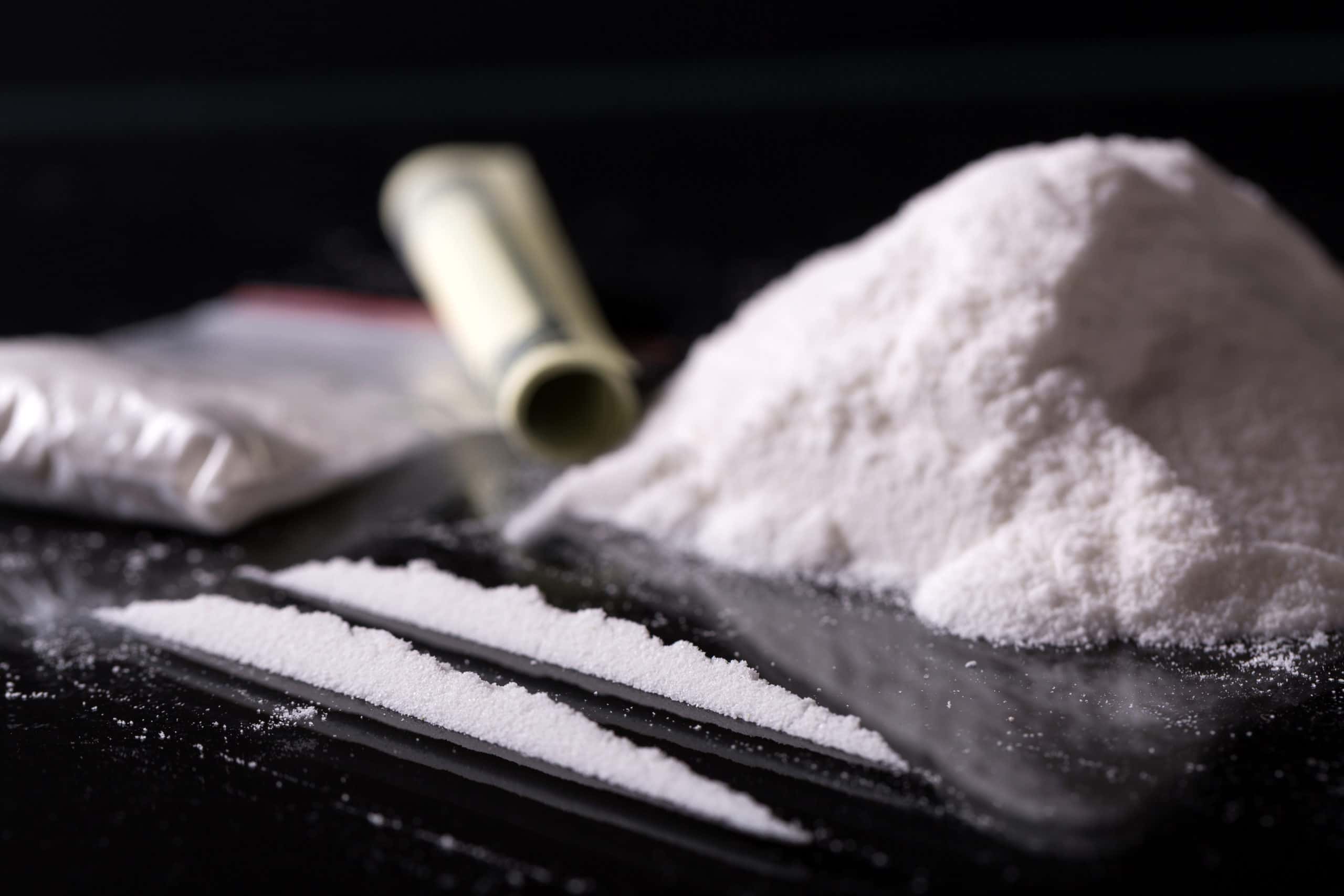
The main difference between crack and cocaine is how they are found in drug form and how they are ingested. This difference can cause different reactions, different side effects, and different outcomes.
If you are regularly using crack or cocaine, you are putting yourself at risk. Check out our comprehensive addiction treatment programming through Impact Outpatient Program to get your life back. We work with individuals from withdrawal to aftercare and every step in between.
What is Cocaine?
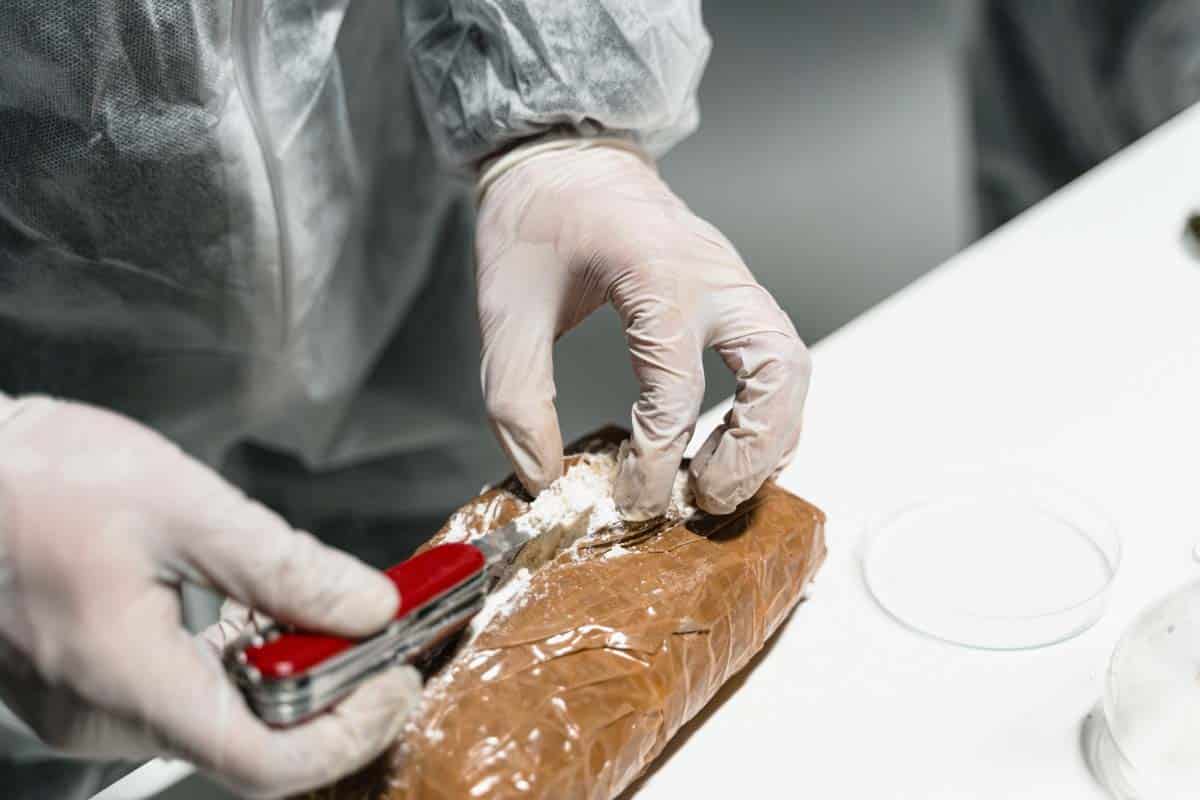
Cocaine is a drug made from the coca plant, native to South America. This drug is most often found in powder form but can be altered. Cocaine is commonly rubbed on the gums, snorted up the nose, or injected into the bloodstream. This stimulant creates feelings of alertness, euphoria, and hyperfocus. Cocaine is quick-acting, but its effects are short-lived, causing individuals to take hits of cocaine continuously, or binge, to maintain the high.
What is Crack Cocaine?
Crack cocaine is an altered form of cocaine. Cocaine is cut with baking soda and cooked down, and crystalline rock crystals form. The crystals can then be crushed and smoked. By cutting the cocaine down with other chemicals, crack costs significantly less than pure cocaine. However, due to a chemical reaction that occurs in the creation process, crack is more potent and far more dangerous than cocaine. By inhaling directly into the lungs, crack can cause an elevated risk for respiratory distress.
What is the Difference Between Crack Cocaine vs Cocaine?
The primary difference between crack and cocaine is the creation of the drugs. Cocaine is a naturally occurring substance found in nature, whereas crack is a lab-altered form of that substance. Additionally, there are differences between the two drugs, including their form, how they enter the body, and how quickly they work and dissipate.
Crack comes in rock form and must be smoked. Its effects are instant, causing more psychological damage and making individuals more likely to become addicted. By inhaling the drug, it is immediately dispersed through the body. Its effects last for 10-15 minutes.
Cocaine is found in powder form and can be snorted or dissolved, and injected. For individuals who snort cocaine or rub it on the gums, it can take up to 5 minutes for the drug to be dissolved into the system, while individuals who inject the drug are feeling the effects in about a minute. Additionally, cocaine stays in the system longer than crack, approximately 15-60 minutes.
What are the Signs of Cocaine and Crack Cocaine Addiction?
Individuals who use cocaine and crack may show signs of abuse. You may notice increased nosebleeds, injection marks or infections, or an increased risk of respiratory problems.
Additionally, while this drug is used to stimulate the body, it can also cause hypersensitivity to light and sound, paranoia, and hallucinations. This overworking and overheating of the body can cause an individual increased stress and lead to distressing experiences while using.
Lastly, cocaine and crack are stimulant drugs that are continuously dangerous. Individuals could use the same amount for each hit and maintain the same risk on the first hit as the 10th. Cocaine is often laced with other drugs and substances that can be toxic or cause additional and unexpected results during the high.
How to Find Treatment for Cocaine and Crack Cocaine Addiction

When it comes time to find treatment for cocaine and crack cocaine addiction, individuals should search for a comprehensive addiction treatment program that manages detox, and inpatient residential treatment and provides aftercare options that allow for continued treatment and support.
It is important for individuals to first look for a treatment facility that provides detoxification as crack and cocaine are difficult to detox from when addicted. Additionally, since this stimulant is often laced or used with other drugs, like opioids, it can be more difficult to detox from. Withdrawal should always be done under the care of a medical professional. Medical monitoring is crucial for individuals as common cocaine and crack withdrawal symptoms can include depression, anxiety, restlessness, extreme fatigue, nightmares, and trouble focusing.
Individuals with a cocaine or crack addiction should seek out inpatient residential treatment as their initial treatment programming. Individuals can learn the necessary self-management and coping skills to remain successfully sober through this system. Additionally, individuals addicted to cocaine often have to battle additional addiction behaviors like bingeing and trauma from risky use. The structured 24-hour support provided in inpatient treatment is the most beneficial for individuals struggling with cocaine.
Finally, the last aspect that an individual should specifically look for is a treatment program that has or can recommend aftercare options. Individuals who struggle with cocaine must not only get sober but maintain that sobriety. Because cocaine use can be triggered easily and often ends in binge use, individuals should seek out continued supportive treatment to manage addiction symptoms.
Through the Impact Outpatient Program, we believe that we can support any individual ready to make a change in their life. Our group of top-notch addiction treatment centers across the Midwest can support individuals through multiple programs, treatment styles, and with multiple mental health disorders.
Contact us today to see which of our high-quality treatment programs would be best to help you battle cocaine addiction.