
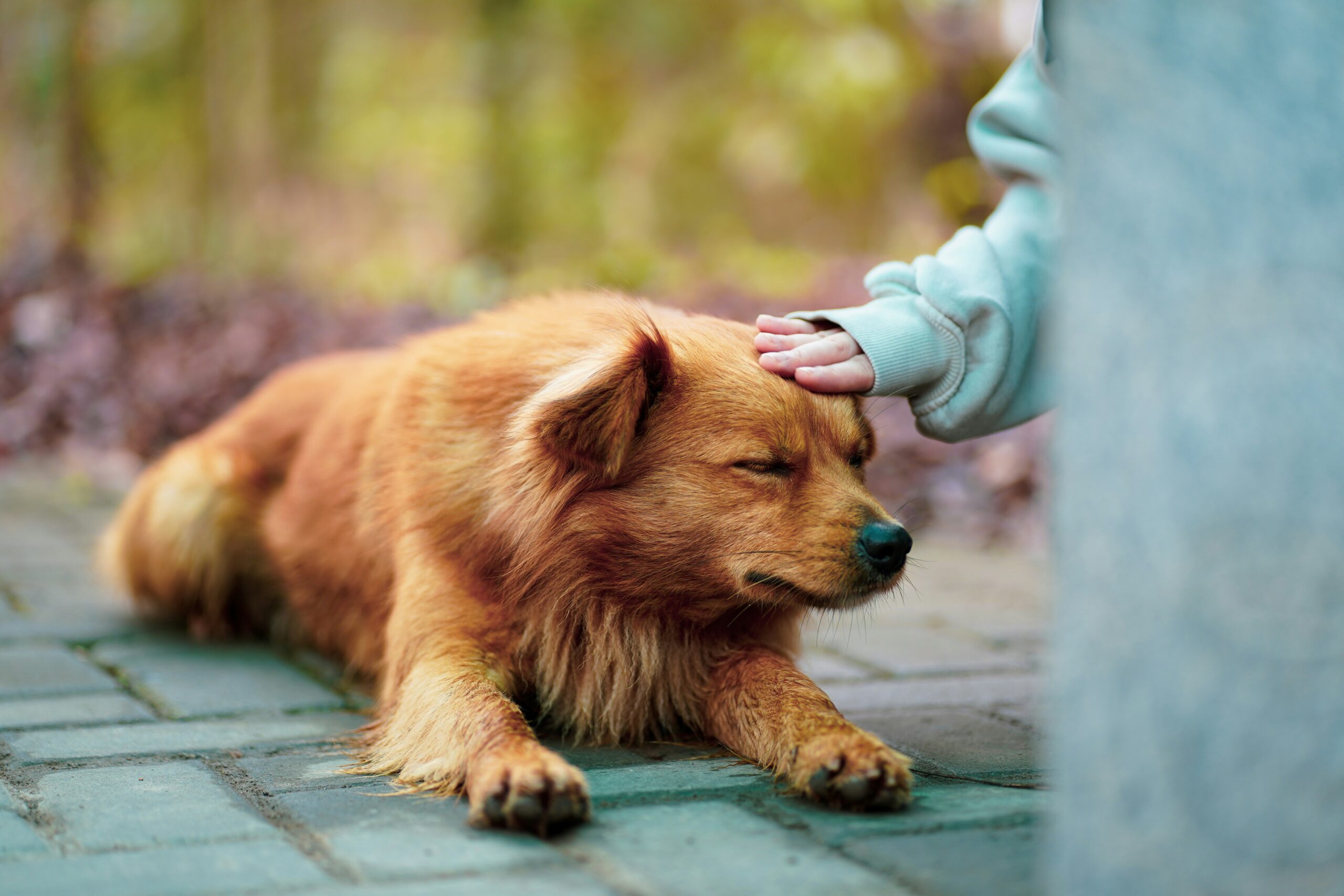
Animal-Assisted Therapy can be a profoundly powerful tool in the complex journey of recovery. For many navigating the path to sobriety and mental well-being, one of the most formidable challenges is opening up about their struggles with addiction. Past experiences, often marked by trauma, betrayal, or shame, can create deep-seated difficulties in trusting others. This can manifest as a significant barrier to connection, making traditional therapy feel daunting, if not impossible. If you find yourself wrestling with the prospect of sharing your story, or if social settings and intimate conversations evoke a deep sense of unease, please know that this feeling is incredibly common and understandable. However, there are compassionate and gentle ways to ease into the healing process. One remarkably effective and nurturing method that helps foster a sense of safety and facilitate genuine connection is Animal-Assisted Therapy.
What is Animal-Assisted Therapy?
Animal-Assisted Therapy is a highly structured, professionally guided therapeutic intervention that purposefully incorporates animals—most commonly trained dogs or horses, but sometimes other species—into the treatment process. Led by a licensed and specially trained therapist, these sessions are far more than just casual interactions with an animal. They are meticulously designed and tailored to help individuals achieve specific, measurable treatment goals. The unique and profound aspect of an animal’s presence is its unconditional and non-judgmental nature. This creates an inherently calming and accepting atmosphere, which can significantly lower a person’s psychological defenses, making it considerably easier for them to engage in therapy, explore difficult emotions, and confront experiences they might otherwise keep hidden. The animals involved are carefully selected for their temperament and undergo specific training to ensure they are well-suited for therapeutic work, enhancing the safety and effectiveness of each session.
How Does Working with Animals Help in Recovery?
The innate bond between humans and animals holds an incredible capacity for healing. For someone in recovery from addiction or trauma, Animal-Assisted Therapy offers a unique and gentle pathway to rebuild trust, practice healthy emotional expression, and develop crucial coping mechanisms.
This innovative approach provides several key benefits that are particularly valuable in a recovery context:
- Reduces Anxiety and Stress: The simple, tactile act of petting or interacting with an animal has a documented physiological effect. It can significantly lower blood pressure, reduce levels of the stress hormone cortisol, and stimulate the release of calming endorphins and oxytocin, the “bonding hormone.” This natural, biological response helps to effectively diminish the intense anxiety and emotional distress that often accompanies discussing traumatic experiences or vulnerable feelings in therapy.
- Builds Trust and Rapport: Animals offer a profound level of unconditional acceptance. They don’t judge past actions, experiences, or present struggles. This non-judgmental interaction provides a safe space for individuals to practice forming a secure, trusting bond without the complexities and fears often associated with human relationships. This foundational experience of trust with an animal can then serve as a vital bridge, helping individuals transfer and build healthier, more trusting relationships with their therapists, peers, and loved ones.
- Teaches Emotional Regulation: Actively caring for, interacting with, and responding to an animal requires a heightened sense of patience, gentleness, and self-awareness. These interactions serve as practical, real-time lessons in managing one’s own emotions, recognizing non-verbal cues, and responding to the needs of another living being in a calm and healthy way. Learning to maintain composure when an animal is playful or anxious, for example, directly translates to improved emotional regulation in daily life.
- Breaks Down Defenses: For those who find it incredibly difficult to articulate their feelings or engage in direct verbal communication about their pain, the presence of an animal can act as a powerful and non-threatening bridge. The animal provides a safe focal point, a neutral third party that can subtly redirect attention and make potentially overwhelming conversations feel less intense and more approachable. It can ease the pressure of direct eye contact and provide a comforting presence, allowing words to flow more freely.
What If I’m Not an “Animal Person”?
It’s a common misconception that one must have extensive experience or a lifelong affinity for animals to benefit from this therapy. In fact, many individuals who initially express hesitation or even fear towards animals find profound healing through this approach. The sessions are always professionally guided by a therapist who prioritizes your comfort and safety above all else. They will work with you to understand your comfort level and tailor the interactions accordingly, ensuring a positive and beneficial experience. Often, individuals who are initially hesitant discover that the gentle, non-verbal communication and the calming, non-demanding presence of an animal in a therapeutic setting is precisely what they needed to begin opening up and fostering a sense of connection without pressure. The goal is always to provide a supportive and adaptive environment, and the therapist will meticulously adjust the pace and nature of the interactions to ensure your experience is both comfortable and effective.
A Gentle Path to Opening Up and Lasting Connection
Recovery is fundamentally a journey of rediscovering and rebuilding connection—connection with yourself, with your authentic emotions, and with others in your support system. If the idea of traditional talk therapy feels intimidating, or if you’ve struggled with it in the past, Animal-Assisted Therapy offers a gentle, non-threatening entry point for profound healing. It creates a unique and nurturing space where trust can be rebuilt organically, where vulnerable emotions can be explored with a sense of safety, and where you can gradually develop the confidence and openness needed for sustainable, lasting recovery. The quiet companionship and unconditional acceptance of an animal can prove to be an incredibly powerful and unexpected ally on your path to a healthier, more connected, and fulfilling life.
At Impact Outpatient Program, we deeply understand that everyone’s path to healing is distinctly different and highly personal. We are committed to offering a diverse range of innovative therapies, including Animal-Assisted Therapy, to meet your unique needs and foster a comfortable, supportive, and effective environment for your recovery journey. If you’re ready to explore a compassionate, holistic approach to treatment that can help you gently re-engage with yourself and the world, we are here to help guide you every step of the way.
Contact us today to learn more about our comprehensive programs and discover how they can profoundly support your journey to wellness and lasting sobriety.