
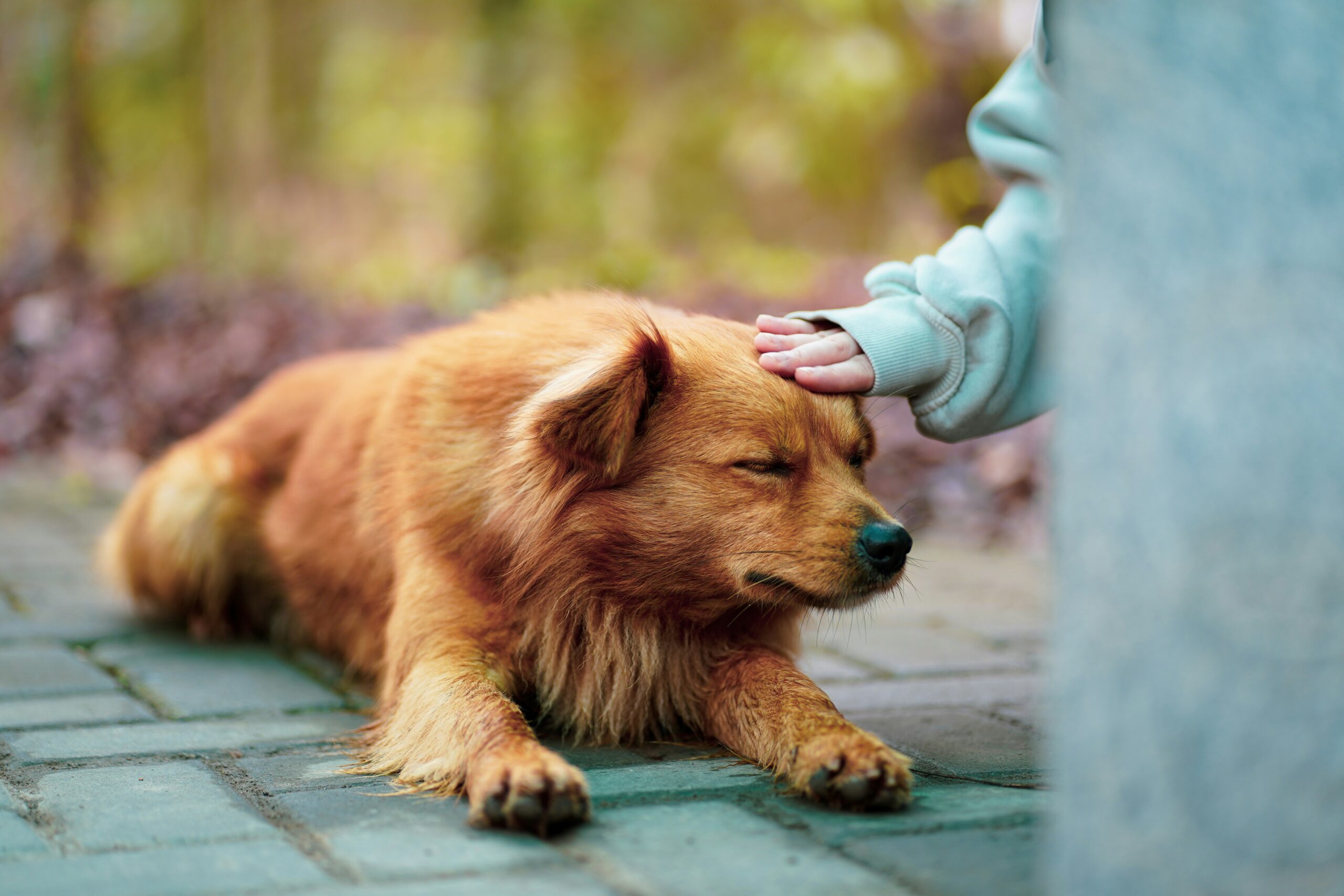
Embarking on the path to recovery is a brave decision, but it can also feel incredibly lonely. When you are grappling with addiction, the thought of opening up to another person, of making yourself vulnerable, can feel like an insurmountable challenge. You might feel judged, misunderstood, or simply unable to find the right words to express what you are going through. If this resonates with you, please know there is a gentle and powerful way to begin fostering connection and healing. Animal-assisted therapy offers a unique opportunity to build emotional strength through the simple, profound act of giving and receiving compassionate care.
What is Animal-Assisted Therapy?
Animal-assisted therapy is a structured, goal-directed intervention where specially trained animals, such as dogs or horses, are incorporated into a therapeutic plan. These sessions are always guided by a licensed therapist and are designed to promote emotional, social, and cognitive healing. This is not simply about petting an animal to feel better; it is a clinical approach that uses the human-animal bond as a tool to achieve specific therapeutic goals. The unconditional and non-judgmental nature of an animal can create a uniquely safe environment, making it easier for individuals to lower their emotional defenses and engage more deeply in the recovery process.
How Does Caring for an Animal Foster Emotional Connection?
Addiction often creates a deep sense of disconnection—from others, from the world, and even from oneself. Animal-assisted therapy helps to bridge this gap by reintroducing the fundamental concepts of care, responsibility, and empathy in a safe and rewarding way.
Learning to Nurture and Be Nurtured
Caring for an animal, even in small ways, is a powerful act. When you groom a horse or offer a gentle word to a therapy dog, you are engaging in a compassionate exchange. This process teaches you to be attuned to the needs of another being, shifting your focus outward from your own internal struggles. In return, the animal offers simple, uncomplicated affection and acceptance. This reciprocal relationship helps to rebuild a person’s capacity for nurturing and reminds them that they are worthy of receiving care in return. For someone whose relationships have been strained by addiction, this is a foundational step toward mending connections with people.
Developing Empathy and Emotional Awareness
Animals are highly attuned to human emotions and body language. They respond honestly and in the moment, providing clear, non-verbal feedback. A therapy animal might lean in closer if it senses sadness or become calm when you are calm. Interacting with them helps you become more aware of your own emotional state and how it impacts those around you. This process naturally fosters empathy, as you learn to understand the animal’s needs and respond with kindness. This skill is directly transferable to human relationships, helping you to better understand the perspectives of loved ones and communicate more effectively.
What are the Proven Benefits of This Approach?
The therapeutic benefits of interacting with animals are backed by a growing body of scientific research. In a recovery setting, these benefits can be particularly transformative, helping to build the emotional strength needed for lasting sobriety.
It Reduces Stress and Builds Trust
The simple act of petting an animal has been shown to have a measurable physiological effect. It can lower levels of cortisol, the body’s primary stress hormone, while increasing the production of oxytocin, a hormone associated with bonding and well-being. This calming effect helps to reduce anxiety, making it easier to engage in therapy. Furthermore, building a trusting relationship with an animal can serve as a model for human relationships. Learning to trust a being that offers nothing but acceptance can help you gradually learn to trust your therapist, your peers, and yourself.
It Boosts Confidence and Self-Worth
Addiction often leaves a person’s self-esteem in tatters. Pet-assisted therapy provides countless opportunities to rebuild it. Successfully teaching a dog a simple command, leading a horse, or simply being responsible for an animal’s well-being provides tangible evidence of your capability and worth. These small victories accumulate over time, fostering a renewed sense of confidence and purpose. You begin to see yourself not as someone defined by past mistakes, but as a person who is capable of providing compassionate care and making a positive impact.
A Gentle Path to a Stronger Heart
Recovery is a journey of reconnection. It is about finding your way back to yourself and learning how to build healthy, trusting relationships with others. Pet-assisted therapy offers a gentle, supportive, and profoundly effective starting point for this journey. The unconditional acceptance of an animal can provide the safety needed to explore difficult emotions, practice empathy, and rediscover your own capacity for compassionate care. It helps heal the heart, preparing you for a future defined by connection and strength.
At Impact Outpatient Program, we believe in a holistic approach to recovery that nurtures the mind, body, and spirit. Our innovative programs, including pet-assisted therapy, are designed to support every aspect of your well-being and help you find the path that works for you. A more hopeful and connected life is possible. Contact us today to learn how we can help you on your journey to lasting wellness.