
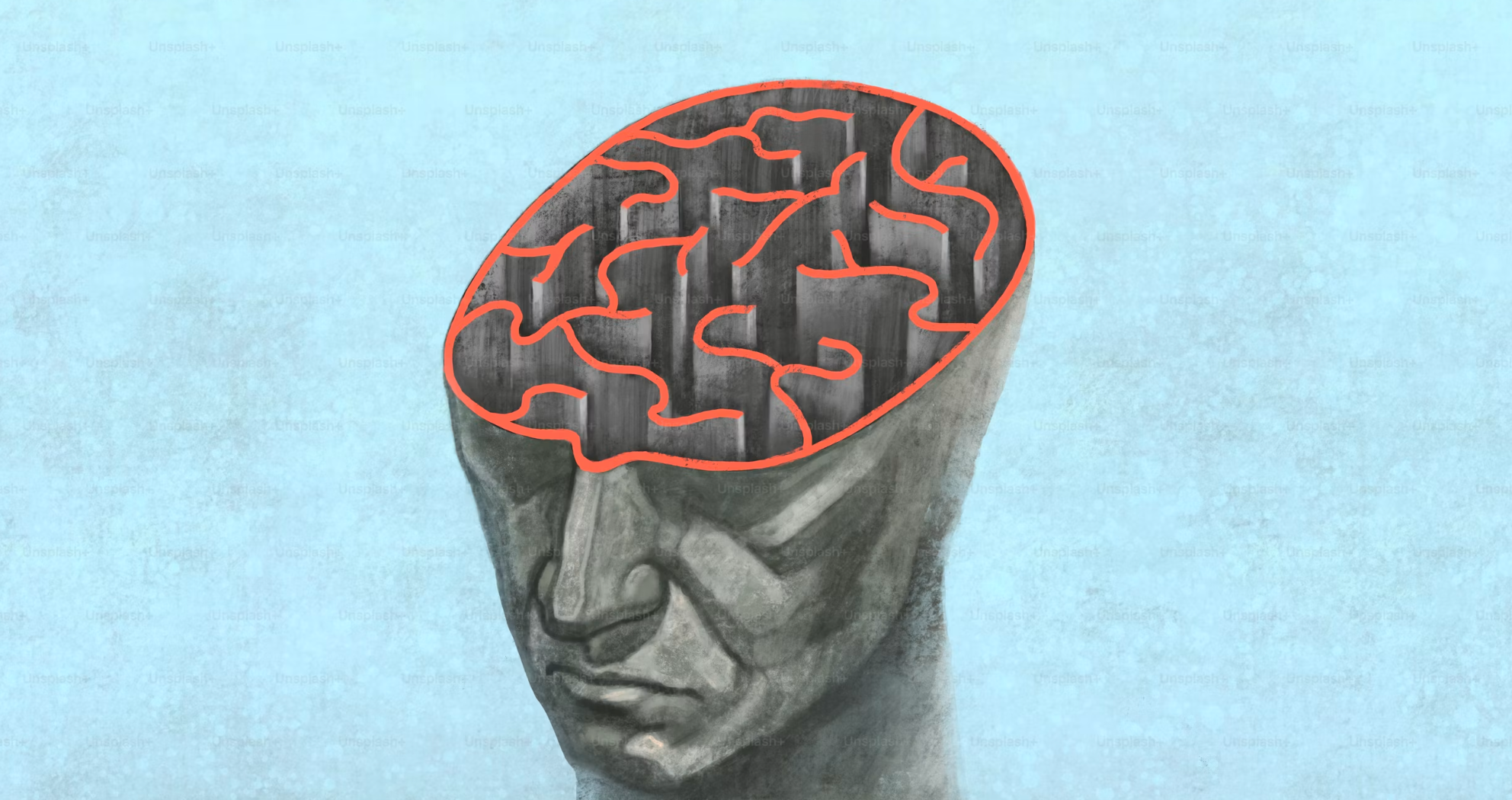
People with schizophrenia often find that predictable routines bring a sense of calm and stability that unpredictability simply cannot offer. If you or someone you love lives with this condition, you may already sense how much steady patterns help.
Structure can feel like a quiet anchor when the mind is working hard to sort through the world. A consistent daily rhythm reduces stress, supports symptom management, and creates space for healing.
You are not alone in this journey, and understanding why routine matters is a meaningful first step. With the right support, life can feel steadier, safer, and more hopeful.
What Is Schizophrenia and How Does It Affect Daily Life?
Schizophrenia is a mental health condition that affects how a person thinks, feels, and interprets the world around them. It can involve changes in perception, thinking, and motivation that make everyday tasks feel harder to manage.
Symptoms often fall into a few groups. Some people experience hallucinations or unusual beliefs, while others notice trouble with focus, memory, or organizing their thoughts.
There can also be a loss of energy and motivation. Simple activities like getting dressed, preparing meals, or keeping appointments may take more effort than they once did.
This is not a personal failing. It is a health condition that responds well to compassionate, consistent care.
Why Do Predictable Routines Help People With Schizophrenia?
Predictable routines help people with schizophrenia because they lower the mental effort needed to navigate each day. When the brain is already working to filter information, knowing what comes next removes a heavy layer of uncertainty.
Routine acts like a map. Instead of deciding everything from scratch, you follow familiar steps that feel safe and manageable.
How Structure Calms the Nervous System
Structure calms the nervous system by reducing the constant sense of alertness that unpredictability can create. When your surroundings feel steady, your body receives a signal that it is safe to relax.
For many people living with schizophrenia, the nervous system stays on high alert. Loud, chaotic, or unpredictable settings can make symptoms feel more intense.
A gentle daily rhythm helps quiet that internal alarm. Regular sleep, meals, and activities give the body predictable cues that support balance and calm.
How Routine Supports Symptom Management
Routine supports symptom management by helping people stay consistent with the habits that protect their well-being. When care becomes part of a daily pattern, it is easier to maintain over time.
Consistent sleep is one powerful example. Rest has a strong effect on mood, focus, and how manageable symptoms feel from day to day.
Taking medication at the same time each day also becomes simpler within a routine. Structure turns important tasks into automatic habits rather than daily decisions.
What Happens Without Structure and Predictability?
Without structure, daily life can feel overwhelming, and symptoms may become harder to manage. Unpredictability tends to increase stress, and stress can intensify the challenges that come with schizophrenia.
When there is no rhythm to the day, small tasks can pile up quickly. Missed meals, irregular sleep, and forgotten appointments often lead to more distress.
Isolation can grow in these moments too. Without gentle structure guiding the day, it becomes easy to withdraw from people and activities that once brought comfort.
This is why consistent support matters so much. A steady framework helps prevent small struggles from turning into larger setbacks.
What Is the Link Between Schizophrenia and Substance Use?
The link between schizophrenia and substance use is common, and it often develops as a way to cope with difficult symptoms. Some people turn to alcohol or other substances to quiet distressing thoughts or ease feelings of isolation.
Substances rarely provide lasting relief. They can worsen symptoms, disrupt sleep, and interfere with medications that support stability.
This creates a cycle that feels hard to break. Symptoms increase, substance use follows, and both become more difficult to manage together.
When schizophrenia and substance use occur at the same time, treating both together works best. Integrated care for co-occurring conditions addresses the mental health symptoms and the substance use as connected parts of one story, which often leads to steadier results.
What Does Treatment Look Like for Schizophrenia?
Treatment for schizophrenia looks like a combination of therapy, medication support, and daily structure designed around each person’s needs. The goal is to reduce distressing symptoms while helping you build a life that feels steady and meaningful.
Therapy plays a central role. Supportive counseling can help you understand your symptoms, develop coping skills, and rebuild confidence in daily activities.
When appropriate, a medical provider may discuss medication that helps ease symptoms. This is a personal decision made with professional guidance, and it can make a meaningful difference for many people.
Daily structure ties everything together. Consistent routines around sleep, meals, and activities give treatment a stable foundation to build on.
How Treatment Programs Build Helpful Routines
Treatment programs build helpful routines by creating a predictable schedule that supports both mental health and daily functioning. Structure is woven into care rather than left to chance.
A typical program may include regular therapy sessions, group support, and time for rest and reflection. These consistent touchpoints help the day feel organized and secure.
At Impact Outpatient Program, care is designed to meet you where you are. Flexible outpatient and intensive outpatient options let you receive meaningful support while keeping the routines that ground your daily life.
How Do You Know It Is Time to Seek Support?
You may be ready to seek support if daily life feels harder to manage or symptoms have grown more difficult over time. You do not need to wait for a crisis to reach out for help.
Consider connecting with a professional if any of these feel true for you or a loved one:
- Sleep, meals, or daily routines have become inconsistent or hard to maintain.
- Symptoms like unusual thoughts, withdrawal, or confusion have increased recently.
- Managing medication or appointments has become overwhelming.
- Alcohol or other substances have entered the picture as a way to cope.
- Isolation has replaced the connection and activities that once felt supportive.
If even one of these resonates, that is reason enough to talk with a professional. Reaching out is not a weakness. It is a caring step toward greater stability.
Common Questions Before Starting Treatment
Can routines really make a difference for schizophrenia? Yes. Predictable routines reduce stress, support sleep, and make it easier to stay consistent with care. Structure helps many people feel calmer and more in control of their days.
Will treatment take away my independence? No. The goal of care is to support your independence, not replace it. Treatment helps you build skills and routines that allow you to manage daily life with more confidence.
Can I get help while keeping up with my daily life? Yes. Outpatient and intensive outpatient programs are designed for flexibility. You can receive meaningful support while maintaining the routines and responsibilities that matter to you.
What if schizophrenia and substance use are both concerns? Integrated treatment can address both at the same time. Because they often affect each other, treating them together usually leads to steadier, more lasting progress.
Take the Next Step Toward Stability
People with schizophrenia can build steadier, more hopeful lives with the right combination of routine, support, and compassionate care. Predictable structure is not about limiting your life. It is about creating a foundation where healing becomes possible.
You deserve to feel calm, supported, and confident in your daily life. Recognizing the value of routine and reaching for help is a meaningful step forward, not a sign of weakness.
If daily life has felt overwhelming or symptoms have grown harder to manage, support is available whenever you are ready. Reach out to Impact Outpatient Program today to learn how our compassionate team can support you or your loved one with clear, personalized care and a path forward built around your needs.