
Taking the first step toward recovery can feel incredibly daunting, often overwhelming even the most determined individuals. When you’re struggling with addiction, the idea of opening up about your deepest challenges and trusting others with your story can feel like an insurmountable hurdle. It’s common to feel isolated, misunderstood, or even judged, which makes the act of being vulnerable seem almost impossible. These emotions can create a barrier that prevents people from seeking the help they truly need.
But what if there was a way to begin healing and building meaningful connections without the pressure of finding the right words? Animal-assisted therapy offers a gentle, nonjudgmental approach that helps lower emotional guards naturally. By working with trained creatures, individuals can experience moments of comfort and understanding, creating a safe space to process emotions. Interacting with animals has been shown to reduce stress, foster trust, and build the confidence needed to take those critical steps toward recovery. This powerful form of therapy encourages emotional breakthroughs and provides a foundation for growth, helping individuals rediscover their inner strength on their journey to healing.
What Is Animal-Assisted Therapy?
Animal-assisted therapy is a structured, goal-oriented treatment that incorporates specially trained creatures, like dogs or horses, into a therapeutic plan. Guided by a licensed therapist, these sessions are much more than just spending time with an animal. It is a clinical approach designed to promote emotional, social, and cognitive healing. The unconditional, non-judgmental presence of an animal can create a safe environment, making it easier for individuals to engage in the difficult but rewarding work of recovery.
How Can Animals Help in the Healing Process?
The bond between humans and animals can be profoundly therapeutic. In a recovery setting, this connection helps individuals build confidence and develop essential emotional skills in a unique and impactful way.
Building Confidence and Self-Esteem
For many individuals navigating the difficult path of recovery, addiction has deeply eroded their sense of self-worth, often leaving behind lingering feelings of shame or inadequacy. Interacting with a therapy animal offers a unique pathway to rebuild that lost confidence in a safe, non-judgmental environment. Seemingly simple acts—like patiently grooming a horse or successfully teaching a dog a new command—provide immediate, tangible, and positive feedback that reinforces a person’s value. These interactions create a series of small but significant successes that foster a renewed sense of capability and personal responsibility. By caring for another living being, individuals begin to see themselves not as “failures,” but as nurturing, competent, and valuable people. This profound shift in perspective is crucial, as it directly translates into a stronger, more resilient belief in their own ability to navigate the challenges of maintaining long-term sobriety.
Developing Emotional Strength
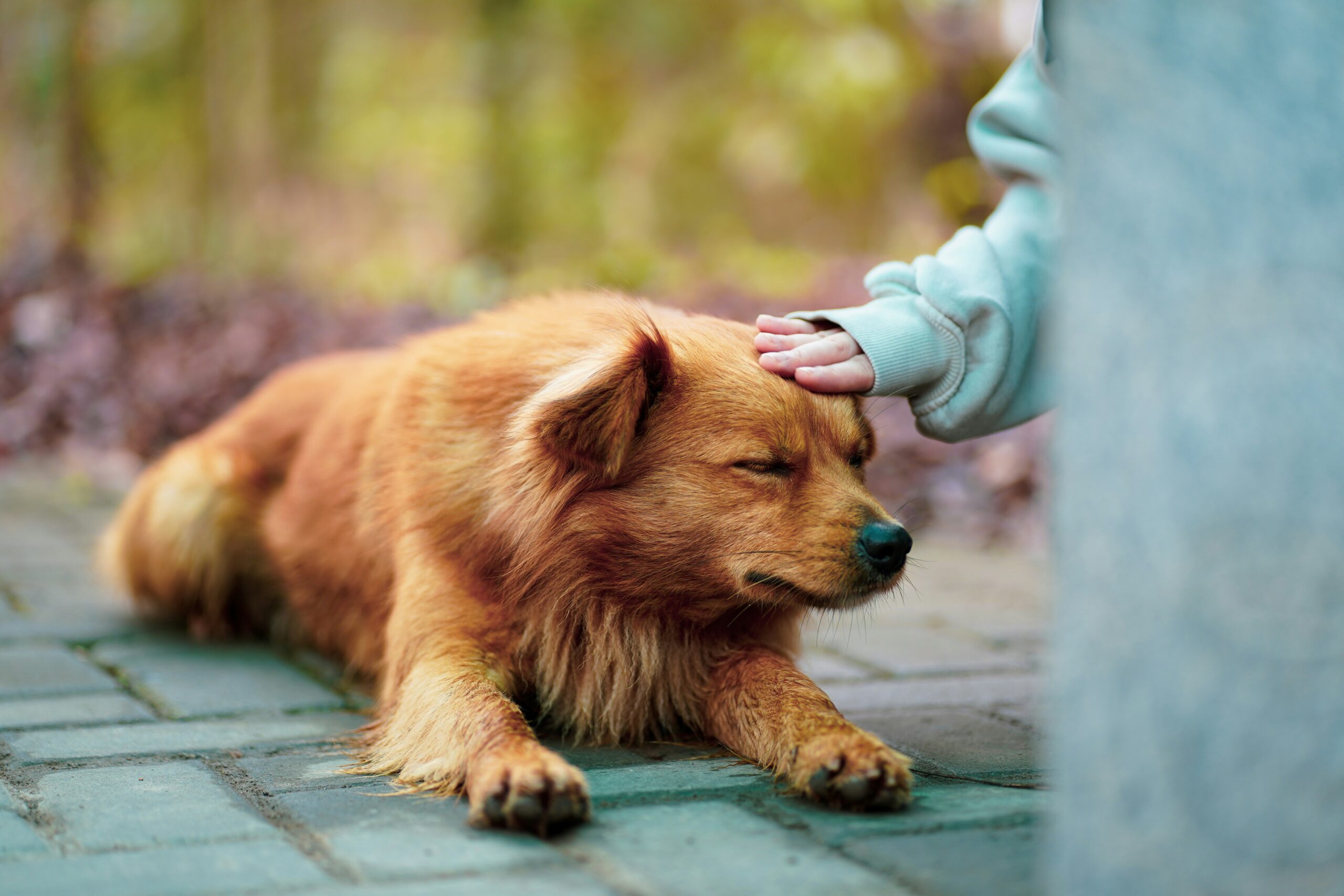
Animals are experts at living in the present moment, and their calm presence can be incredibly grounding. Petting an animal has been shown to lower blood pressure and reduce cortisol, the body’s stress hormone. This calming effect makes it easier to process difficult emotions and practice mindfulness. By learning to connect with creatures in a quiet, centered way, you can develop the emotional regulation skills needed to manage triggers and stress without turning to substances.
FAQ: Is This Different From an Emotional Support Animal?
Yes, there is an important distinction. An emotional support animal provides comfort and companionship to an individual but is not part of a structured treatment plan. Animal-assisted therapy, however, is a formal clinical intervention delivered by a trained therapist with specific goals. The animal is an integral part of the session, actively used to facilitate therapeutic breakthroughs, improve communication, and help clients achieve their recovery objectives.
Find Strength Through Connection
True recovery encompasses far more than simply abstaining from substance use; it is a holistic journey of reconnecting with your authentic self and learning how to forge healthy, trusting bonds with others. Animal-assisted therapy offers a unique and gentle entry point into this often challenging process. Because they provide pure, unconditional acceptance free from judgment, they help establish a profound sense of safety that is often missing in early recovery. This secure environment encourages you to explore vulnerability without fear, gradually helping you develop the emotional resilience and confidence needed to sustain lasting wellness.
At Impact Outpatient Program, we believe in a holistic approach to healing. Our innovative programs, including animal-assisted therapy, are designed to support your entire well-being. A more hopeful and connected life is possible. Contact us today to learn how we can help you on your journey to recovery.