
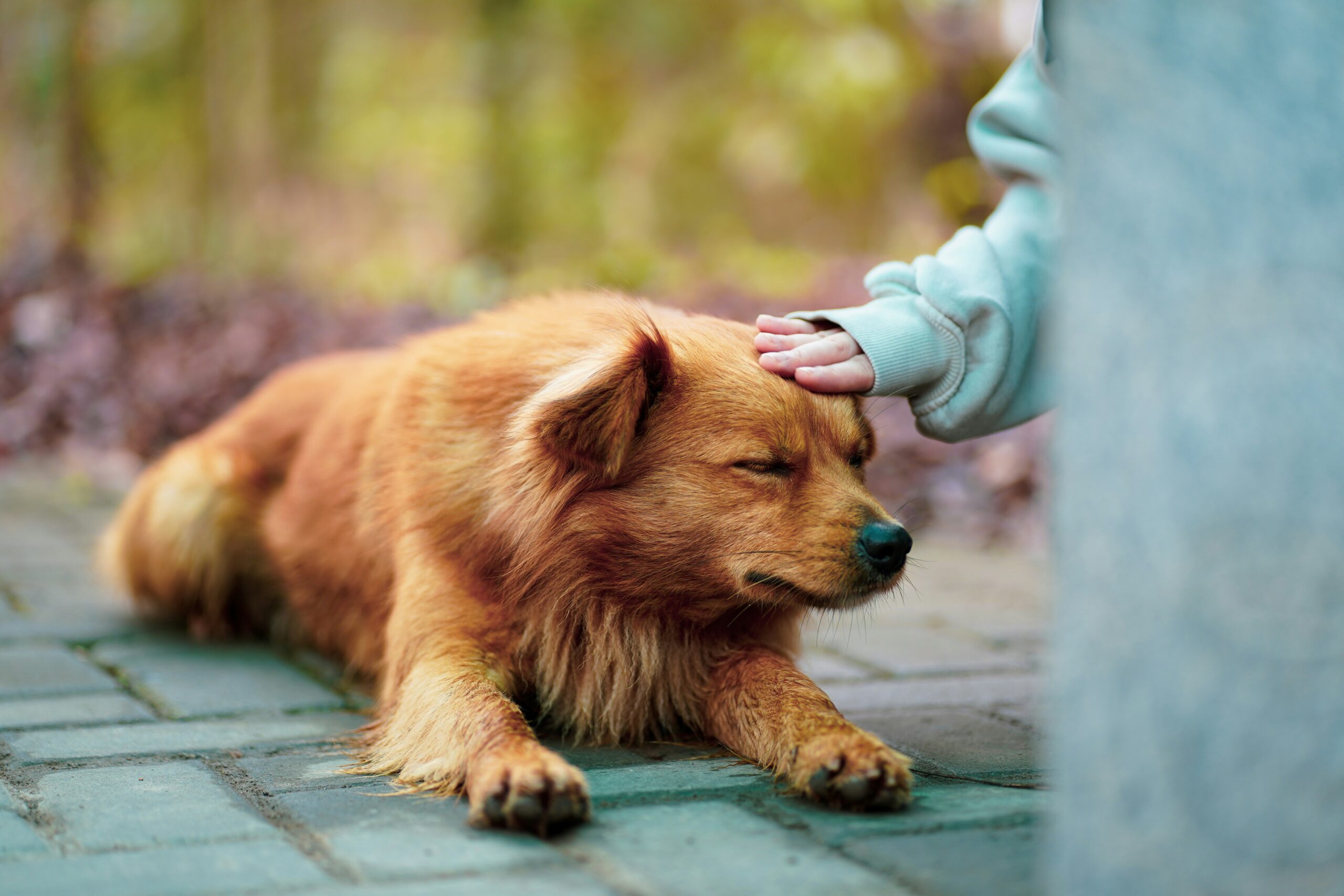
Animal-Assisted Therapy offers a truly unique and gentle way to lower defenses, build foundational trust, and gently open the door to healing in a way that often feels safe, non-threatening, and unconditionally accepting. Opening up and trusting others can be one of the hardest parts of the recovery journey. When you’re dealing with the immense weight of addiction or complex mental health challenges, it’s easy to feel profoundly isolated, misunderstood, and even judged. The thought of being vulnerable, sharing your deepest struggles, and potentially facing further pain can be truly frightening and a major barrier to seeking help. But what if the first step toward connection and healing didn’t involve difficult conversations or immediate self-disclosure?
What is Animal-Assisted Therapy?
Animal-Assisted Therapy is a guided therapeutic approach that thoughtfully incorporates trained animals, such as dogs, horses, or even cats, into the treatment process. These sessions are carefully planned and led by a licensed therapist who utilizes the animal’s presence and interactions to facilitate specific therapeutic goals. It’s much more than just spending casual time with an animal; it is a structured, goal-oriented process specifically designed to promote significant emotional, social, and cognitive improvements. The calming, non-judgmental presence of a specially trained animal can profoundly help break down emotional and psychological barriers, making it considerably easier for individuals to engage in the often-challenging therapeutic work required for lasting recovery.
How Can Animals Help in the Healing Process?
The connection between humans and animals is deep-seated, powerful, and often instinctual. In a therapeutic setting, this innate bond can lead to profound breakthroughs that might otherwise be difficult to achieve. Interacting with an animal provides immediate, unconditional, and non-judgmental feedback and affection, which can be incredibly comforting and validating for individuals who may feel judged or unworthy.
The extensive benefits of Animal-Assisted therapy include:
- Reducing Anxiety and Stress: The simple act of petting, stroking, or interacting with an animal can significantly lower blood pressure, reduce cortisol levels, and stimulate the release of calming endorphins like oxytocin. This physiological response makes it much easier to relax, feel safe, and begin to open up in a therapeutic environment.
- Building Trust and Rapport: For individuals who have experienced trauma, betrayal, or have difficulty trusting other people, forming a bond with an animal can serve as a safe and low-stakes first step toward building healthy, reciprocal relationships. The animal’s consistent affection can help individuals relearn what healthy connection feels like.
- Developing Nurturing Skills: Actively caring for an animal, even during a therapy session, fosters a powerful sense of responsibility, empathy, and self-worth. This process helps individuals rebuild damaged self-esteem and shift their focus outward to the needs of another living being, which can be incredibly therapeutic for personal growth.
- Improving Communication: Animals communicate primarily non-verbally through body language, sounds, and actions. This encourages individuals to become more aware of their own non-verbal cues, emotions, and tone, improving their overall communication skills and emotional literacy.
- Increasing Self-Esteem and Confidence: Successfully interacting with and caring for an animal can provide a significant boost to a person’s self-esteem. Achieving small goals during a session, like getting a dog to respond to a command or gently grooming a horse, reinforces a sense of capability and accomplishment.
- Providing a Sense of Purpose: For those in recovery who may feel lost or without direction, engaging with an animal can offer a renewed sense of purpose and meaning. The animal relies on the individual, creating a unique and valuable connection.
Is This the Same as Having an Emotional Support Animal?
That’s a great and very common question, as both involve animals providing comfort, but they are indeed distinct concepts. An emotional support animal (ESA) primarily provides companionship and comfort to its owner, helping to alleviate symptoms of a psychological disability. While an ESA can be prescribed by a doctor or mental health professional, it is not typically part of a structured, goal-oriented clinical treatment plan. Emotional support animals offer passive comfort through their presence. Animal-Assisted Therapy, on the other hand, is a clinical intervention that is delivered by a trained and licensed professional with clearly defined therapeutic goals. The animal is an active and integral part of the therapy session itself, carefully utilized to facilitate specific growth, learning, and healing objectives under the guidance of the therapist.
A Gentle Path to Connection and Strength
Recovery is a complex and deeply personal journey that extends far beyond merely stopping a particular behavior; it’s fundamentally about reconnecting with yourself, re-establishing healthy relationships, and finding your place in the world around you. Animal-Assisted Therapy provides a compassionate, non-intrusive, and profoundly disarming way to begin that essential process. The unconditional acceptance, unwavering presence, and non-judgmental nature of an animal can create the vital psychological safety needed to explore difficult emotions, practice vulnerability in a controlled setting, and gradually build the emotional strength and resilience required for lasting wellness. This unique human-animal connection can unlock parts of your heart and mind that may have been closed off due to past pain or trauma, paving the way for deeper, more meaningful healing and personal transformation.
At Impact Outpatient Program, we are dedicated to incorporating innovative and evidence-based approaches like Animal-Assisted Therapy to support your entire well-being – mind, body, and spirit. We believe your journey to a more connected, hopeful, and fulfilling life is absolutely possible. Contact us today to learn more about our holistic and compassionate programs and discover how Animal-Assisted Therapy might be a valuable part of your path to recovery.